Buy swafea.eu ?
We are moving the project
swafea.eu .
Are you interested in purchasing the domain
swafea.eu ?
domain@kv-gmbh.de · 0541-91531010
Buy swafea.eu ?
What are trophic levels and trophic structures?
Trophic levels refer to the hierarchical levels in an ecosystem through which energy and nutrients flow. They represent the feeding positions of different organisms in a food chain or food web. Trophic structures, on the other hand, describe the organization of these trophic levels within an ecosystem. This includes the distribution of energy and nutrients among different organisms, as well as the interactions and relationships between them. Overall, trophic levels and trophic structures are important concepts for understanding the flow of energy and nutrients in ecosystems and the dynamics of food chains and food webs. **
Are trophic levels and trophic levels the same in biology?
No, trophic levels and trophic levels are not the same in biology. Trophic levels refer to the hierarchical levels in an ecosystem based on an organism's position in the food chain, such as producers, primary consumers, secondary consumers, etc. On the other hand, trophic cascades are the indirect effects that occur when a change in one trophic level impacts other trophic levels in the ecosystem. Both concepts are important in understanding the dynamics of energy flow and interactions within ecosystems. **


Similar search terms for Trophic
Top-Angebote
Products related to Trophic:
-
Headline Storecupboard One Pound Meals by Miguel Barclay – 85 Easy & Affordable RecipesMiguel Barclay is back with his sixth book in the 'One Pound Meals' series and he's on a mission to save you even more money and time with this collection of storecupboard recipes.Miguel has already revolutionised the way that many of you cook at home - with his budget recipes, healthy ingredients and his ingenious time-saving tips. In STORECUPBOARD ONE POUND MEALS Miguel takes his stress-free, maximum flavour philosophy and teaches you how to get the most out of your every day cupboard essentials. Tins, cans, dried herbs and spices become the main 'hero ingredients', helping you plan affordable dinners each week.With over 80 of Miguel's favourite storecupboard dishes, you'll have plenty of recipes for the whole family to enjoy, or tasty leftovers to eat the next day or freeze for another time.Miguel's budget-friendly cooking will once again bring great taste to your kitchen.Minimum fuss, maximum flavour and all for £1 per person.6,95 £*Shipping: 2,99 £Secure redirect to the provider
-
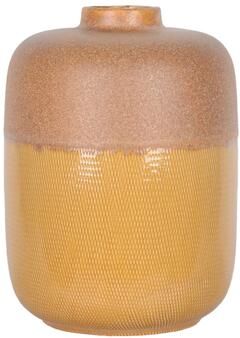
Sagebrook Home Ceramic Vase Trendy Tribeca Style with Floral Embossed DesignElegant floral relief design - Adds a sophisticated touch to any home or office decor. High-quality ceramic construction - Ensures durability and long-lasting beauty.61,31 $*Shipping: 0,00 $Secure redirect to the provider
-
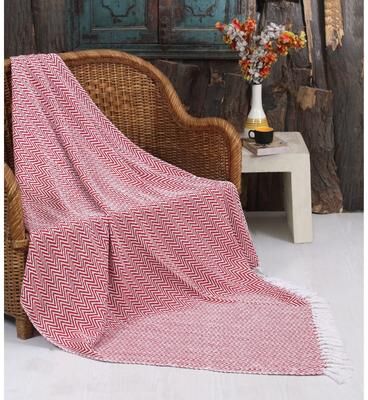
COZY TRENDS COLLECTION Handwoven Chevron Cotton Throw Blanket - All-Season Comfort with Boho-Chic Style!Wrap yourself in the cozy charm of our handwoven chevron cotton throw blanket. Designed for all-season comfort and adorned with stylish tassels, this blanket adds a touch of bohemian flair to any space while keeping you snug and warm.36,99 $*Shipping: 0,00 $Secure redirect to the provider
-
COZY TRENDS COLLECTION Handwoven Chevron Cotton Throw Blanket - All-Season Comfort with Boho-Chic Style!Wrap yourself in the cozy charm of our handwoven chevron cotton throw blanket. Designed for all-season comfort and adorned with stylish tassels, this blanket adds a touch of bohemian flair to any space while keeping you snug and warm.40,49 $*Shipping: 0,00 $Secure redirect to the provider


-
Are trophic levels and trophic levels the same thing in biology?
No, "trophic levels" and "trophic levels" are not the same thing in biology. "Trophic levels" refer to the hierarchical levels in an ecosystem based on an organism's position in the food chain, such as producers, primary consumers, secondary consumers, and so on. On the other hand, "trophic levels" appears to be a typographical error or a repetition of the term "trophic levels." In biology, it is important to use accurate and specific terminology to avoid confusion and miscommunication. **
-
Why do organisms get larger from trophic level to trophic level?
Organisms tend to get larger from one trophic level to the next because as energy is transferred up the food chain, there is a loss of energy at each level. This means that organisms at higher trophic levels need to consume larger quantities of organisms from lower trophic levels to obtain enough energy to sustain themselves. Additionally, larger organisms are more efficient at capturing and consuming prey, allowing them to thrive at higher trophic levels. Finally, larger organisms have a lower surface area to volume ratio, which helps them retain heat and energy more effectively. **
-
Why do organisms become larger from trophic level to trophic level?
Organisms become larger from trophic level to trophic level due to the efficiency of energy transfer in ecosystems. As energy is transferred from one trophic level to the next, there is a loss of energy in the form of heat and metabolic processes. Larger organisms are able to consume more energy-rich food sources and have a more efficient metabolism, allowing them to grow in size as they move up the food chain. Additionally, larger organisms are better equipped to capture and consume prey, giving them a competitive advantage in obtaining energy and resources. **
-
Why does the biomass decrease from trophic level to trophic level?
Biomass decreases from trophic level to trophic level because energy is lost as it moves through the food chain. Organisms at each trophic level use some of the energy they consume for their own metabolic processes, such as respiration and movement, and the rest is lost as heat. This means that there is less energy available to be passed on to the next trophic level, resulting in a decrease in biomass. Additionally, not all of the energy from one trophic level is consumed by the next level, as some is lost through waste and uneaten parts of organisms. **


What are trophic levels in biology?
Trophic levels in biology refer to the hierarchical levels in an ecosystem where organisms are grouped based on their feeding relationships. The primary producers, such as plants, are at the base of the trophic levels as they convert sunlight into energy through photosynthesis. Herbivores that feed on plants are at the next level, followed by carnivores that eat herbivores. Each trophic level represents a transfer of energy and nutrients through the ecosystem, with energy decreasing as it moves up the levels. **
What is the trophic level of omnivores?
Omnivores are organisms that consume both plants and animals, so their trophic level can vary. When they consume plants, they are considered primary consumers (herbivores) and when they consume animals, they are considered secondary consumers (carnivores). This means that omnivores can occupy multiple trophic levels within a food web, depending on their diet. **
Top-Angebote
Products related to Trophic:
-
COZY TRENDS COLLECTION Handwoven Chevron Cotton Throw Blanket - All-Season Comfort with Boho-Chic Style!Wrap yourself in the cozy charm of our handwoven chevron cotton throw blanket. Designed for all-season comfort and adorned with stylish tassels, this blanket adds a touch of bohemian flair to any space while keeping you snug and warm.33,99 $*Shipping: 0,00 $Secure redirect to the provider
-
Inspire Daily Merch Casual Women's T shirt Trendy Versatile Letter Print Summer Top For Street Style And Everyday Comfort black lEmbrace effortless style with our Casual Women's Tshirt, designed for the modern woman who values comfort and trendiness. Perfect for any casual outing, this top features a stylish letter print and the versatility to pair with almost anything in...49,97 $*Shipping: 0,00 $Secure redirect to the provider
-
Headline Storecupboard One Pound Meals by Miguel Barclay – 85 Easy & Affordable RecipesMiguel Barclay is back with his sixth book in the 'One Pound Meals' series and he's on a mission to save you even more money and time with this collection of storecupboard recipes.Miguel has already revolutionised the way that many of you cook at home - with his budget recipes, healthy ingredients and his ingenious time-saving tips. In STORECUPBOARD ONE POUND MEALS Miguel takes his stress-free, maximum flavour philosophy and teaches you how to get the most out of your every day cupboard essentials. Tins, cans, dried herbs and spices become the main 'hero ingredients', helping you plan affordable dinners each week.With over 80 of Miguel's favourite storecupboard dishes, you'll have plenty of recipes for the whole family to enjoy, or tasty leftovers to eat the next day or freeze for another time.Miguel's budget-friendly cooking will once again bring great taste to your kitchen.Minimum fuss, maximum flavour and all for £1 per person.6,95 £*Shipping: 2,99 £Secure redirect to the provider
-
Sagebrook Home Ceramic Vase Trendy Tribeca Style with Floral Embossed DesignElegant floral relief design - Adds a sophisticated touch to any home or office decor. High-quality ceramic construction - Ensures durability and long-lasting beauty.61,31 $*Shipping: 0,00 $Secure redirect to the provider
-
What are trophic levels and trophic structures?
Trophic levels refer to the hierarchical levels in an ecosystem through which energy and nutrients flow. They represent the feeding positions of different organisms in a food chain or food web. Trophic structures, on the other hand, describe the organization of these trophic levels within an ecosystem. This includes the distribution of energy and nutrients among different organisms, as well as the interactions and relationships between them. Overall, trophic levels and trophic structures are important concepts for understanding the flow of energy and nutrients in ecosystems and the dynamics of food chains and food webs. **
-
Are trophic levels and trophic levels the same in biology?
No, trophic levels and trophic levels are not the same in biology. Trophic levels refer to the hierarchical levels in an ecosystem based on an organism's position in the food chain, such as producers, primary consumers, secondary consumers, etc. On the other hand, trophic cascades are the indirect effects that occur when a change in one trophic level impacts other trophic levels in the ecosystem. Both concepts are important in understanding the dynamics of energy flow and interactions within ecosystems. **
-
Are trophic levels and trophic levels the same thing in biology?
No, "trophic levels" and "trophic levels" are not the same thing in biology. "Trophic levels" refer to the hierarchical levels in an ecosystem based on an organism's position in the food chain, such as producers, primary consumers, secondary consumers, and so on. On the other hand, "trophic levels" appears to be a typographical error or a repetition of the term "trophic levels." In biology, it is important to use accurate and specific terminology to avoid confusion and miscommunication. **
-
Why do organisms get larger from trophic level to trophic level?
Organisms tend to get larger from one trophic level to the next because as energy is transferred up the food chain, there is a loss of energy at each level. This means that organisms at higher trophic levels need to consume larger quantities of organisms from lower trophic levels to obtain enough energy to sustain themselves. Additionally, larger organisms are more efficient at capturing and consuming prey, allowing them to thrive at higher trophic levels. Finally, larger organisms have a lower surface area to volume ratio, which helps them retain heat and energy more effectively. **
Similar search terms for Trophic
-
COZY TRENDS COLLECTION Handwoven Chevron Cotton Throw Blanket - All-Season Comfort with Boho-Chic Style!Wrap yourself in the cozy charm of our handwoven chevron cotton throw blanket. Designed for all-season comfort and adorned with stylish tassels, this blanket adds a touch of bohemian flair to any space while keeping you snug and warm.36,99 $*Shipping: 0,00 $Secure redirect to the provider
-
COZY TRENDS COLLECTION Handwoven Chevron Cotton Throw Blanket - All-Season Comfort with Boho-Chic Style!Wrap yourself in the cozy charm of our handwoven chevron cotton throw blanket. Designed for all-season comfort and adorned with stylish tassels, this blanket adds a touch of bohemian flair to any space while keeping you snug and warm.40,49 $*Shipping: 0,00 $Secure redirect to the provider
-
Inspire Daily Merch Casual Women's T shirt Trendy Versatile Letter Print Summer Top For Street Style And Everyday Comfort white sEmbrace effortless style with our Casual Women's Tshirt, designed for the modern woman who values comfort and trendiness. Perfect for any casual outing, this top features a stylish letter print and the versatility to pair with almost anything in...49,97 $*Shipping: 0,00 $Secure redirect to the provider
-
Inspire Daily Merch Casual Women's T shirt Trendy Versatile Letter Print Summer Top For Street Style And Everyday Comfort black mEmbrace effortless style with our Casual Women's Tshirt, designed for the modern woman who values comfort and trendiness. Perfect for any casual outing, this top features a stylish letter print and the versatility to pair with almost anything in...49,97 $*Shipping: 0,00 $Secure redirect to the provider
-
Why do organisms become larger from trophic level to trophic level?
Organisms become larger from trophic level to trophic level due to the efficiency of energy transfer in ecosystems. As energy is transferred from one trophic level to the next, there is a loss of energy in the form of heat and metabolic processes. Larger organisms are able to consume more energy-rich food sources and have a more efficient metabolism, allowing them to grow in size as they move up the food chain. Additionally, larger organisms are better equipped to capture and consume prey, giving them a competitive advantage in obtaining energy and resources. **
-
Why does the biomass decrease from trophic level to trophic level?
Biomass decreases from trophic level to trophic level because energy is lost as it moves through the food chain. Organisms at each trophic level use some of the energy they consume for their own metabolic processes, such as respiration and movement, and the rest is lost as heat. This means that there is less energy available to be passed on to the next trophic level, resulting in a decrease in biomass. Additionally, not all of the energy from one trophic level is consumed by the next level, as some is lost through waste and uneaten parts of organisms. **
-
What are trophic levels in biology?
Trophic levels in biology refer to the hierarchical levels in an ecosystem where organisms are grouped based on their feeding relationships. The primary producers, such as plants, are at the base of the trophic levels as they convert sunlight into energy through photosynthesis. Herbivores that feed on plants are at the next level, followed by carnivores that eat herbivores. Each trophic level represents a transfer of energy and nutrients through the ecosystem, with energy decreasing as it moves up the levels. **
-
What is the trophic level of omnivores?
Omnivores are organisms that consume both plants and animals, so their trophic level can vary. When they consume plants, they are considered primary consumers (herbivores) and when they consume animals, they are considered secondary consumers (carnivores). This means that omnivores can occupy multiple trophic levels within a food web, depending on their diet. **
* All prices are inclusive of VAT and, if applicable, plus shipping costs. The offer information is based on the details provided by the respective shop and is updated through automated processes. Real-time updates do not occur, so deviations can occur in individual cases. ** Note: Parts of this content were created by AI.