Buy swafea.eu ?
We are moving the project
swafea.eu .
Are you interested in purchasing the domain
swafea.eu ?
domain@kv-gmbh.de · 0541-91531010
Buy swafea.eu ?
Romantic or Romanesque?
The terms "romantic" and "romanesque" refer to different artistic and architectural styles. "Romantic" typically refers to a style characterized by emotion, imagination, and a focus on nature, while "romanesque" refers to a style of architecture that was prevalent in medieval Europe, characterized by thick walls, rounded arches, and decorative elements. Therefore, the choice between "romantic" or "romanesque" would depend on the specific context or artistic preference being discussed. **
What is Romanesque 2?
Romanesque 2 is a style of architecture that developed in medieval Europe during the 11th and 12th centuries. It is characterized by its use of rounded arches, thick walls, and decorative elements such as sculpted capitals and intricate carvings. Romanesque 2 also features a strong emphasis on symmetry and a sense of grandeur, often seen in the design of churches, castles, and other religious and secular buildings. This architectural style is considered a continuation of the earlier Romanesque style, with some new innovations and regional variations. **

Similar search terms for Romanesque
Top-Angebote
Products related to Romanesque:
-
Quality & Style Solid Colour Area Rug Beige Round 120 cmThis rug is the top-notch extra luxurious variety of rugs this rug has been designed to impart an exquisite look and rich soft feel the material of 100% polypropylene, these rugs are one of a kind when it comes to the selection of Normal pile luxurious rug length of the rug is stitched and width of the rug is folded and glued for durability. Quality & Style Rug Size: Round 120 cm91,99 £*Shipping: 0,00 £Secure redirect to the provider
-
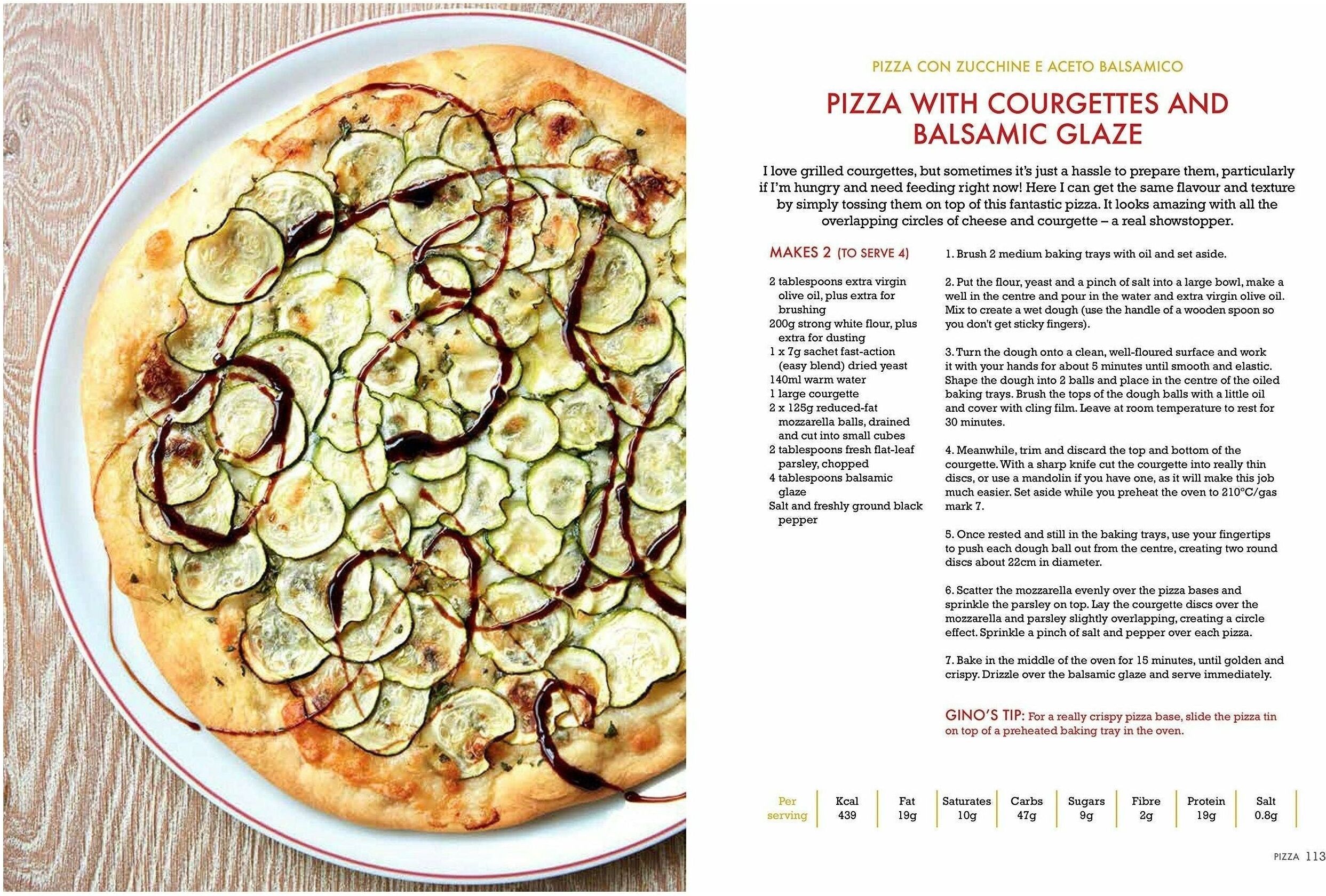
Hodder & Stoughton Gino’s Healthy Italian for Less by Gino D’Acampo – 100 Affordable Family RecipesWant to cook like a true Italian and stick to the budget? Look no further than these 100 authentic and simple meals from the heart of Italy. Gino will teach us how to cook like a true Italian, but this time on a budget! Full of money-saving tips and tricks, to create delicious, healthy Italian meals at home - brimming with fresh ingredients with the same big flavours, in his simple signature style. Learn how to shop smart and store food, make the most of your fridge / freezer, and fill your kitchen cupboards with fail-safe Italian basics. Bring down the cost of your weekly shop and start eating better than ever with Gino's Healthy Italian for Less.6,99 £*Shipping: 2,99 £Secure redirect to the provider
-
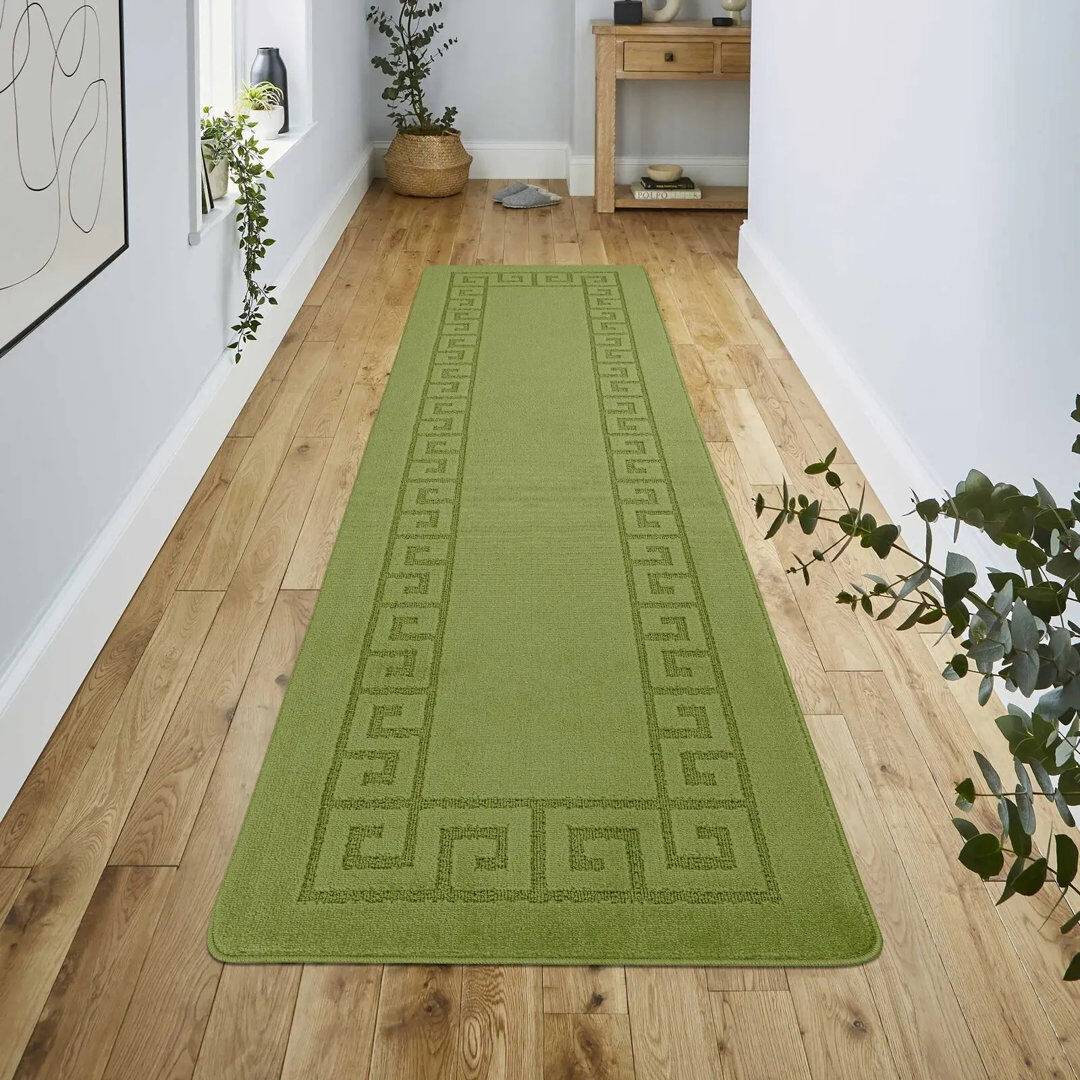
Quality & Style Geometric Area Rug Sage Rectangle 160 x 230 cmUpgrade your home with this Modern Non-Slip Washable Runner Rug, designed to combine style, comfort, and everyday practicality. Whether you’re protecting floors, adding warmth to a hallway, or creating a welcoming path in your kitchen or entryway, this versatile runner delivers on performance and design. Quality & Style Colour: Sage, Rug Size: Rectangle 160 x 230 cm134,99 £*Shipping: 0,00 £Secure redirect to the provider
-
Quality & Style Geometric Area Rug Sage Rectangle 120 x 150 cmUpgrade your home with this Modern Non-Slip Washable Runner Rug, designed to combine style, comfort, and everyday practicality. Whether you’re protecting floors, adding warmth to a hallway, or creating a welcoming path in your kitchen or entryway, this versatile runner delivers on performance and design. Quality & Style Colour: Sage, Rug Size: Rectangle 120 x 150 cm71,99 £*Shipping: 0,00 £Secure redirect to the provider


-
Who were the architects of Romanesque architecture?
The architects of Romanesque architecture were primarily anonymous master builders and craftsmen who worked on the construction of churches, monasteries, and other religious buildings during the Romanesque period (approximately 1000-1200 AD). These skilled artisans were often members of guilds or religious orders and were responsible for designing and constructing the thick-walled, fortress-like structures characteristic of Romanesque architecture. While specific names of architects are rarely known, their collective work has left a lasting legacy in the form of some of the most iconic buildings of the medieval period. **
-
Who are famous figures of the Romanesque period?
Some famous figures of the Romanesque period include Abbot Suger, who was a key figure in the development of Gothic architecture; Pope Urban II, who called for the First Crusade in 1095; and William the Conqueror, who commissioned the construction of many Romanesque buildings in England, such as the Tower of London. These figures played significant roles in shaping the political, religious, and architectural landscape of the Romanesque period. **
-
Who are famous people of the Romanesque period?
Some famous people of the Romanesque period include Pope Urban II, who called for the First Crusade in 1095, and William the Conqueror, who led the Norman Conquest of England in 1066. Additionally, Hildegarde of Bingen, a German abbess, composer, and mystic, was a prominent figure during this time. Architectural figures such as Abbot Suger, who oversaw the construction of the Abbey Church of St. Denis in France, also made significant contributions to the Romanesque period. **
-
How can Gothic and Romanesque architecture be compared?
Gothic and Romanesque architecture can be compared in several ways. Both styles are characterized by their use of stone construction, thick walls, and large, imposing structures. However, Gothic architecture is known for its pointed arches, ribbed vaults, and flying buttresses, which allow for taller and more open interior spaces. On the other hand, Romanesque architecture is characterized by its rounded arches, barrel vaults, and heavy, fortress-like appearance. Additionally, Gothic architecture is often associated with a more vertical and ethereal aesthetic, while Romanesque architecture tends to have a more solid and grounded feel. **

What is the difference between Romanesque and Gothic?
Romanesque architecture is characterized by thick walls, rounded arches, and small windows, while Gothic architecture features pointed arches, ribbed vaults, and flying buttresses. Romanesque buildings tend to have a more fortress-like appearance, while Gothic buildings are taller and more delicate in appearance. Additionally, Romanesque churches often have a single, massive tower, while Gothic churches typically have multiple towers and spires. Overall, Romanesque architecture is more solid and heavy, while Gothic architecture is more light and airy. **
What are the similarities between Romanesque and Gothic church buildings?
Both Romanesque and Gothic church buildings are characterized by their large size and grandeur, as well as their use of stone construction. They both feature a cruciform floor plan, with a long nave, transept, and apse. Additionally, both styles often include elaborate sculptural decoration, particularly on the doorways and capitals. Finally, both Romanesque and Gothic churches often include stained glass windows, although the style and technique of the glass differ between the two periods. **
Top-Angebote
Products related to Romanesque:
-
Headline Storecupboard One Pound Meals by Miguel Barclay – 85 Easy & Affordable RecipesMiguel Barclay is back with his sixth book in the 'One Pound Meals' series and he's on a mission to save you even more money and time with this collection of storecupboard recipes.Miguel has already revolutionised the way that many of you cook at home - with his budget recipes, healthy ingredients and his ingenious time-saving tips. In STORECUPBOARD ONE POUND MEALS Miguel takes his stress-free, maximum flavour philosophy and teaches you how to get the most out of your every day cupboard essentials. Tins, cans, dried herbs and spices become the main 'hero ingredients', helping you plan affordable dinners each week.With over 80 of Miguel's favourite storecupboard dishes, you'll have plenty of recipes for the whole family to enjoy, or tasty leftovers to eat the next day or freeze for another time.Miguel's budget-friendly cooking will once again bring great taste to your kitchen.Minimum fuss, maximum flavour and all for £1 per person.6,95 £*Shipping: 2,99 £Secure redirect to the provider
-
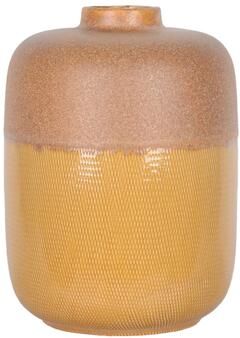
Sagebrook Home Ceramic Vase Trendy Tribeca Style with Floral Embossed DesignElegant floral relief design - Adds a sophisticated touch to any home or office decor. High-quality ceramic construction - Ensures durability and long-lasting beauty.58,37 $*Shipping: 0,00 $Secure redirect to the provider
-
Quality & Style Solid Colour Area Rug Beige Round 120 cmThis rug is the top-notch extra luxurious variety of rugs this rug has been designed to impart an exquisite look and rich soft feel the material of 100% polypropylene, these rugs are one of a kind when it comes to the selection of Normal pile luxurious rug length of the rug is stitched and width of the rug is folded and glued for durability. Quality & Style Rug Size: Round 120 cm91,99 £*Shipping: 0,00 £Secure redirect to the provider
-
Hodder & Stoughton Gino’s Healthy Italian for Less by Gino D’Acampo – 100 Affordable Family RecipesWant to cook like a true Italian and stick to the budget? Look no further than these 100 authentic and simple meals from the heart of Italy. Gino will teach us how to cook like a true Italian, but this time on a budget! Full of money-saving tips and tricks, to create delicious, healthy Italian meals at home - brimming with fresh ingredients with the same big flavours, in his simple signature style. Learn how to shop smart and store food, make the most of your fridge / freezer, and fill your kitchen cupboards with fail-safe Italian basics. Bring down the cost of your weekly shop and start eating better than ever with Gino's Healthy Italian for Less.6,99 £*Shipping: 2,99 £Secure redirect to the provider
-
Romantic or Romanesque?
The terms "romantic" and "romanesque" refer to different artistic and architectural styles. "Romantic" typically refers to a style characterized by emotion, imagination, and a focus on nature, while "romanesque" refers to a style of architecture that was prevalent in medieval Europe, characterized by thick walls, rounded arches, and decorative elements. Therefore, the choice between "romantic" or "romanesque" would depend on the specific context or artistic preference being discussed. **
-
What is Romanesque 2?
Romanesque 2 is a style of architecture that developed in medieval Europe during the 11th and 12th centuries. It is characterized by its use of rounded arches, thick walls, and decorative elements such as sculpted capitals and intricate carvings. Romanesque 2 also features a strong emphasis on symmetry and a sense of grandeur, often seen in the design of churches, castles, and other religious and secular buildings. This architectural style is considered a continuation of the earlier Romanesque style, with some new innovations and regional variations. **
-
Who were the architects of Romanesque architecture?
The architects of Romanesque architecture were primarily anonymous master builders and craftsmen who worked on the construction of churches, monasteries, and other religious buildings during the Romanesque period (approximately 1000-1200 AD). These skilled artisans were often members of guilds or religious orders and were responsible for designing and constructing the thick-walled, fortress-like structures characteristic of Romanesque architecture. While specific names of architects are rarely known, their collective work has left a lasting legacy in the form of some of the most iconic buildings of the medieval period. **
-
Who are famous figures of the Romanesque period?
Some famous figures of the Romanesque period include Abbot Suger, who was a key figure in the development of Gothic architecture; Pope Urban II, who called for the First Crusade in 1095; and William the Conqueror, who commissioned the construction of many Romanesque buildings in England, such as the Tower of London. These figures played significant roles in shaping the political, religious, and architectural landscape of the Romanesque period. **
Similar search terms for Romanesque
-
Quality & Style Geometric Area Rug Sage Rectangle 160 x 230 cmUpgrade your home with this Modern Non-Slip Washable Runner Rug, designed to combine style, comfort, and everyday practicality. Whether you’re protecting floors, adding warmth to a hallway, or creating a welcoming path in your kitchen or entryway, this versatile runner delivers on performance and design. Quality & Style Colour: Sage, Rug Size: Rectangle 160 x 230 cm134,99 £*Shipping: 0,00 £Secure redirect to the provider
-
Quality & Style Geometric Area Rug Sage Rectangle 120 x 150 cmUpgrade your home with this Modern Non-Slip Washable Runner Rug, designed to combine style, comfort, and everyday practicality. Whether you’re protecting floors, adding warmth to a hallway, or creating a welcoming path in your kitchen or entryway, this versatile runner delivers on performance and design. Quality & Style Colour: Sage, Rug Size: Rectangle 120 x 150 cm71,99 £*Shipping: 0,00 £Secure redirect to the provider
-
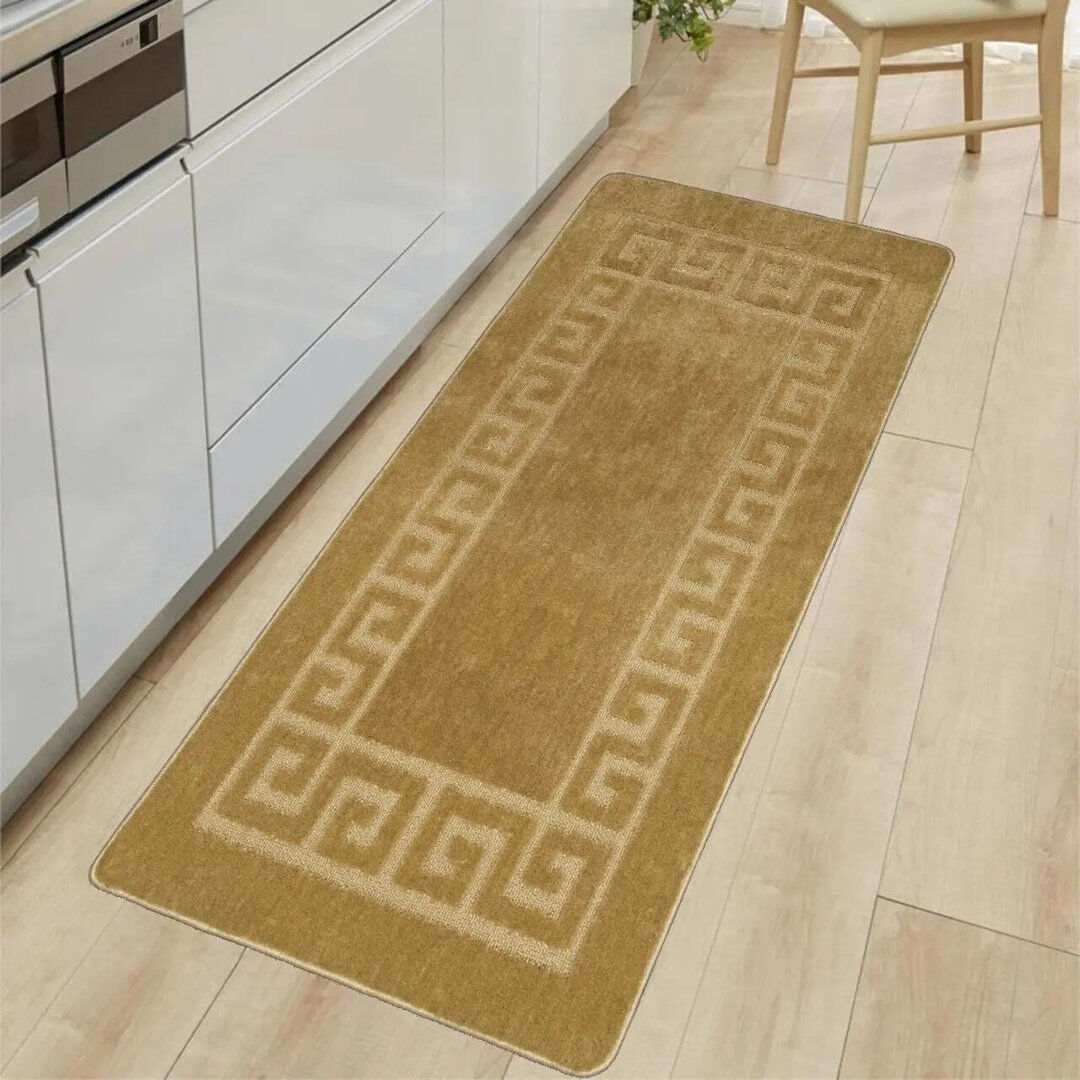
Quality & Style Geometric Area Rug Ochre Runner 80 x 300 cmUpgrade your home with this Modern Non-Slip Washable Runner Rug, designed to combine style, comfort, and everyday practicality. Whether you’re protecting floors, adding warmth to a hallway, or creating a welcoming path in your kitchen or entryway, this versatile runner delivers on performance and design. Quality & Style Colour: Ochre, Rug Size: Runner 80 x 300 cm84,99 £*Shipping: 0,00 £Secure redirect to the provider
-
Quality & Style Geometric Area Rug White Rectangle 80 x 150 cmUpgrade your home with this Modern Non-Slip Washable Runner Rug, designed to combine style, comfort, and everyday practicality. Whether you’re protecting floors, adding warmth to a hallway, or creating a welcoming path in your kitchen or entryway, this versatile runner delivers on performance and design. Quality & Style Rug Size: Rectangle 80 x 150 cm, Colour: White43,99 £*Shipping: 4,99 £Secure redirect to the provider
-
Who are famous people of the Romanesque period?
Some famous people of the Romanesque period include Pope Urban II, who called for the First Crusade in 1095, and William the Conqueror, who led the Norman Conquest of England in 1066. Additionally, Hildegarde of Bingen, a German abbess, composer, and mystic, was a prominent figure during this time. Architectural figures such as Abbot Suger, who oversaw the construction of the Abbey Church of St. Denis in France, also made significant contributions to the Romanesque period. **
-
How can Gothic and Romanesque architecture be compared?
Gothic and Romanesque architecture can be compared in several ways. Both styles are characterized by their use of stone construction, thick walls, and large, imposing structures. However, Gothic architecture is known for its pointed arches, ribbed vaults, and flying buttresses, which allow for taller and more open interior spaces. On the other hand, Romanesque architecture is characterized by its rounded arches, barrel vaults, and heavy, fortress-like appearance. Additionally, Gothic architecture is often associated with a more vertical and ethereal aesthetic, while Romanesque architecture tends to have a more solid and grounded feel. **
-
What is the difference between Romanesque and Gothic?
Romanesque architecture is characterized by thick walls, rounded arches, and small windows, while Gothic architecture features pointed arches, ribbed vaults, and flying buttresses. Romanesque buildings tend to have a more fortress-like appearance, while Gothic buildings are taller and more delicate in appearance. Additionally, Romanesque churches often have a single, massive tower, while Gothic churches typically have multiple towers and spires. Overall, Romanesque architecture is more solid and heavy, while Gothic architecture is more light and airy. **
-
What are the similarities between Romanesque and Gothic church buildings?
Both Romanesque and Gothic church buildings are characterized by their large size and grandeur, as well as their use of stone construction. They both feature a cruciform floor plan, with a long nave, transept, and apse. Additionally, both styles often include elaborate sculptural decoration, particularly on the doorways and capitals. Finally, both Romanesque and Gothic churches often include stained glass windows, although the style and technique of the glass differ between the two periods. **
* All prices are inclusive of VAT and, if applicable, plus shipping costs. The offer information is based on the details provided by the respective shop and is updated through automated processes. Real-time updates do not occur, so deviations can occur in individual cases. ** Note: Parts of this content were created by AI.