Buy swafea.eu ?
We are moving the project
swafea.eu .
Are you interested in purchasing the domain
swafea.eu ?
domain@kv-gmbh.de · 0541-91531010
Buy swafea.eu ?
How does a single-celled organism become a multicellular organism?
A single-celled organism can become a multicellular organism through a process called cell division and specialization. Initially, the single cell undergoes multiple rounds of cell division, resulting in a cluster of cells. These cells then start to differentiate and specialize in their functions, forming different types of tissues and organs. Through further cell division, specialization, and coordination, these cells organize themselves into a complex multicellular organism with various cell types working together to perform specific functions. This process is known as cellular differentiation and is essential for the development of multicellular organisms. **
How did the unicellular organism evolve into a multicellular organism?
The evolution of unicellular organisms into multicellular organisms is believed to have occurred through a process called coloniality. Initially, unicellular organisms formed colonies where individual cells worked together for survival. Over time, some cells within these colonies specialized in specific functions, leading to the development of multicellular organisms with different cell types. This specialization allowed for more complex structures and functions, ultimately leading to the evolution of multicellular organisms. **

Similar search terms for Organism
Top-Angebote
Products related to Organism:
-
Quality & Style Solid Colour Area Rug Beige Round 120 cmThis rug is the top-notch extra luxurious variety of rugs this rug has been designed to impart an exquisite look and rich soft feel the material of 100% polypropylene, these rugs are one of a kind when it comes to the selection of Normal pile luxurious rug length of the rug is stitched and width of the rug is folded and glued for durability. Quality & Style Rug Size: Round 120 cm91,99 £*Shipping: 0,00 £Secure redirect to the provider
-
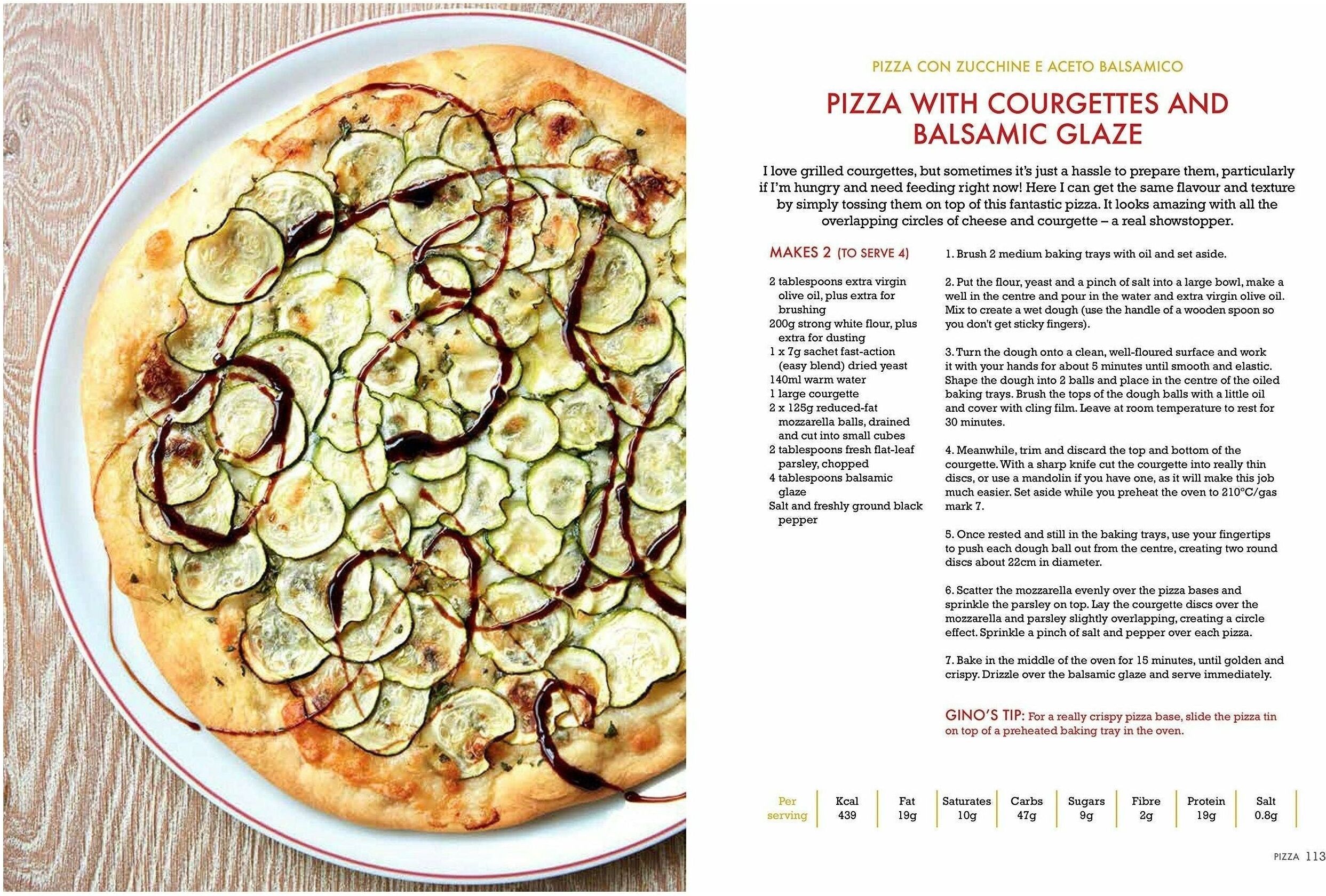
Hodder & Stoughton Gino’s Healthy Italian for Less by Gino D’Acampo – 100 Affordable Family RecipesWant to cook like a true Italian and stick to the budget? Look no further than these 100 authentic and simple meals from the heart of Italy. Gino will teach us how to cook like a true Italian, but this time on a budget! Full of money-saving tips and tricks, to create delicious, healthy Italian meals at home - brimming with fresh ingredients with the same big flavours, in his simple signature style. Learn how to shop smart and store food, make the most of your fridge / freezer, and fill your kitchen cupboards with fail-safe Italian basics. Bring down the cost of your weekly shop and start eating better than ever with Gino's Healthy Italian for Less.6,99 £*Shipping: 2,99 £Secure redirect to the provider
-
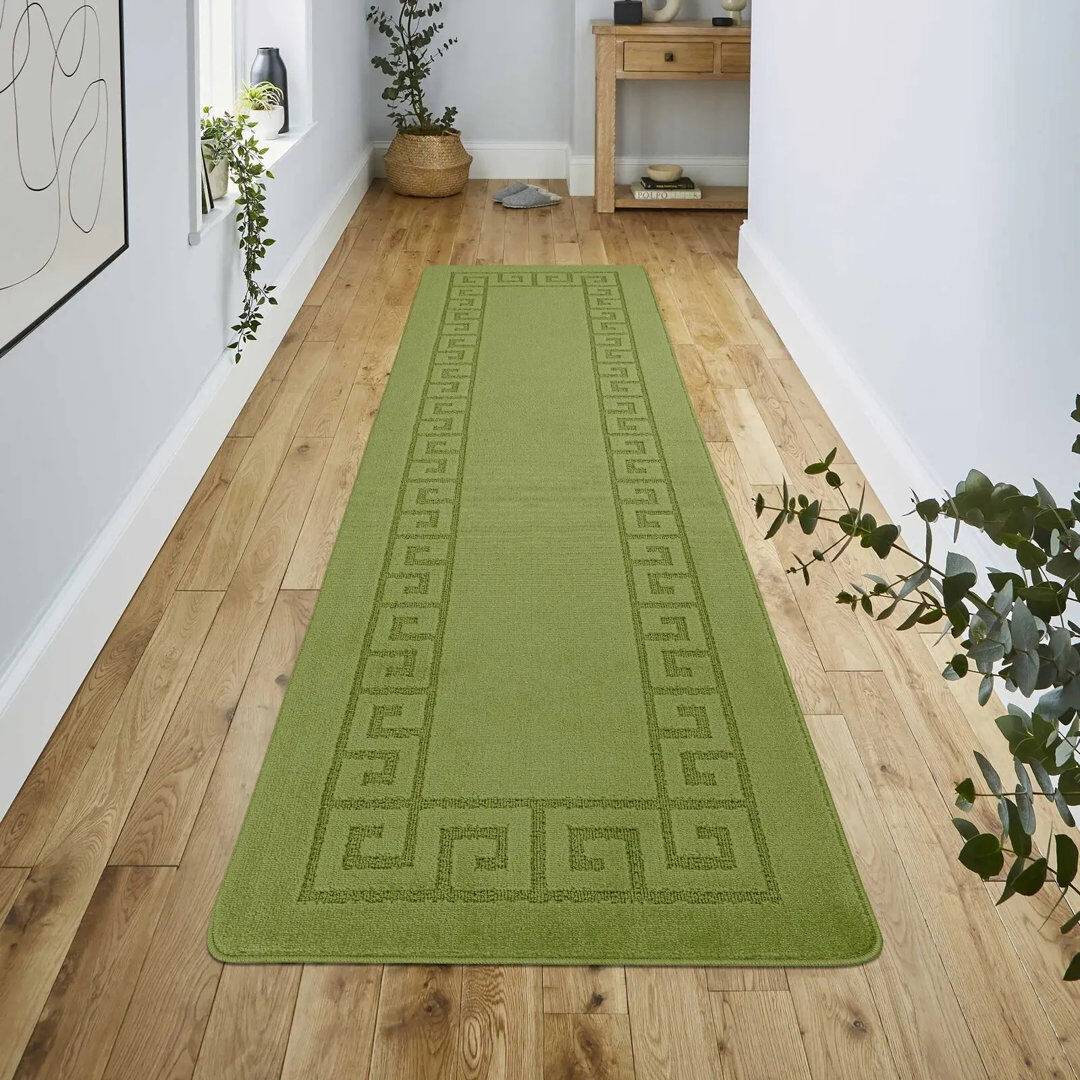
Quality & Style Geometric Area Rug Sage Rectangle 160 x 230 cmUpgrade your home with this Modern Non-Slip Washable Runner Rug, designed to combine style, comfort, and everyday practicality. Whether you’re protecting floors, adding warmth to a hallway, or creating a welcoming path in your kitchen or entryway, this versatile runner delivers on performance and design. Quality & Style Colour: Sage, Rug Size: Rectangle 160 x 230 cm134,99 £*Shipping: 0,00 £Secure redirect to the provider
-
Quality & Style Geometric Area Rug Sage Rectangle 120 x 150 cmUpgrade your home with this Modern Non-Slip Washable Runner Rug, designed to combine style, comfort, and everyday practicality. Whether you’re protecting floors, adding warmth to a hallway, or creating a welcoming path in your kitchen or entryway, this versatile runner delivers on performance and design. Quality & Style Colour: Sage, Rug Size: Rectangle 120 x 150 cm71,99 £*Shipping: 0,00 £Secure redirect to the provider


-
How can a single-celled organism become a multicellular organism?
A single-celled organism can become a multicellular organism through a process called cell aggregation. This occurs when individual cells come together and adhere to each other, forming a multicellular structure. Over time, these cells differentiate and specialize to perform specific functions within the organism, leading to the development of tissues and organs. This process allows the single-celled organism to evolve into a complex, multicellular organism with a higher level of organization and specialization. **
-
How did the single-celled organism develop into a multicellular organism?
The transition from single-celled to multicellular organisms is thought to have occurred through a process called coloniality, where individual cells began to work together and specialize in different functions. This allowed for more efficient resource utilization and increased the organism's ability to adapt to different environments. Over time, these specialized cells became more integrated and developed into the complex multicellular organisms we see today. This transition likely occurred independently in different lineages of organisms, leading to the diverse array of multicellular life forms we see today. **
-
Can viruses transform an entire organism into another similar and permanently viable organism?
No, viruses cannot transform an entire organism into another similar and permanently viable organism. Viruses are not capable of causing such a drastic and complex transformation in an organism. While viruses can cause changes in the host organism's cells and genetic material, they do not have the ability to completely transform one organism into another. The concept of a virus causing such a transformation is more characteristic of science fiction rather than actual scientific understanding of virology. **
-
Is cress a living organism?
Yes, cress is a living organism. It is a type of plant that belongs to the mustard family and is commonly grown for its edible leaves. Like all plants, cress is a living organism that undergoes processes such as photosynthesis, respiration, and growth. It requires water, sunlight, and nutrients to survive and thrive. **

Is yeast a living organism?
Yes, yeast is a living organism. It is a type of fungus that belongs to the kingdom Fungi. Yeast cells are single-celled organisms that can reproduce asexually through budding. They are capable of metabolizing sugars and producing carbon dioxide and alcohol through the process of fermentation. Yeast is commonly used in baking and brewing due to its ability to ferment sugars and produce carbon dioxide, which causes dough to rise and gives beer and wine their alcoholic content. **
Is the blastocyst an organism?
Yes, the blastocyst is considered an organism. It is the stage of development of a fertilized egg before it implants into the uterus. At this stage, the blastocyst is a multicellular structure with specialized cells that will eventually develop into the fetus and placenta. Therefore, the blastocyst can be considered an early stage of an organism's development. **
Top-Angebote
Products related to Organism:
-
Headline Storecupboard One Pound Meals by Miguel Barclay – 85 Easy & Affordable RecipesMiguel Barclay is back with his sixth book in the 'One Pound Meals' series and he's on a mission to save you even more money and time with this collection of storecupboard recipes.Miguel has already revolutionised the way that many of you cook at home - with his budget recipes, healthy ingredients and his ingenious time-saving tips. In STORECUPBOARD ONE POUND MEALS Miguel takes his stress-free, maximum flavour philosophy and teaches you how to get the most out of your every day cupboard essentials. Tins, cans, dried herbs and spices become the main 'hero ingredients', helping you plan affordable dinners each week.With over 80 of Miguel's favourite storecupboard dishes, you'll have plenty of recipes for the whole family to enjoy, or tasty leftovers to eat the next day or freeze for another time.Miguel's budget-friendly cooking will once again bring great taste to your kitchen.Minimum fuss, maximum flavour and all for £1 per person.6,95 £*Shipping: 2,99 £Secure redirect to the provider
-
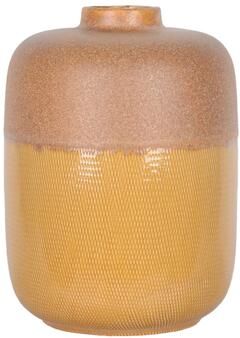
Sagebrook Home Ceramic Vase Trendy Tribeca Style with Floral Embossed DesignElegant floral relief design - Adds a sophisticated touch to any home or office decor. High-quality ceramic construction - Ensures durability and long-lasting beauty.58,37 $*Shipping: 0,00 $Secure redirect to the provider
-
Quality & Style Solid Colour Area Rug Beige Round 120 cmThis rug is the top-notch extra luxurious variety of rugs this rug has been designed to impart an exquisite look and rich soft feel the material of 100% polypropylene, these rugs are one of a kind when it comes to the selection of Normal pile luxurious rug length of the rug is stitched and width of the rug is folded and glued for durability. Quality & Style Rug Size: Round 120 cm91,99 £*Shipping: 0,00 £Secure redirect to the provider
-
Hodder & Stoughton Gino’s Healthy Italian for Less by Gino D’Acampo – 100 Affordable Family RecipesWant to cook like a true Italian and stick to the budget? Look no further than these 100 authentic and simple meals from the heart of Italy. Gino will teach us how to cook like a true Italian, but this time on a budget! Full of money-saving tips and tricks, to create delicious, healthy Italian meals at home - brimming with fresh ingredients with the same big flavours, in his simple signature style. Learn how to shop smart and store food, make the most of your fridge / freezer, and fill your kitchen cupboards with fail-safe Italian basics. Bring down the cost of your weekly shop and start eating better than ever with Gino's Healthy Italian for Less.6,99 £*Shipping: 2,99 £Secure redirect to the provider
-
How does a single-celled organism become a multicellular organism?
A single-celled organism can become a multicellular organism through a process called cell division and specialization. Initially, the single cell undergoes multiple rounds of cell division, resulting in a cluster of cells. These cells then start to differentiate and specialize in their functions, forming different types of tissues and organs. Through further cell division, specialization, and coordination, these cells organize themselves into a complex multicellular organism with various cell types working together to perform specific functions. This process is known as cellular differentiation and is essential for the development of multicellular organisms. **
-
How did the unicellular organism evolve into a multicellular organism?
The evolution of unicellular organisms into multicellular organisms is believed to have occurred through a process called coloniality. Initially, unicellular organisms formed colonies where individual cells worked together for survival. Over time, some cells within these colonies specialized in specific functions, leading to the development of multicellular organisms with different cell types. This specialization allowed for more complex structures and functions, ultimately leading to the evolution of multicellular organisms. **
-
How can a single-celled organism become a multicellular organism?
A single-celled organism can become a multicellular organism through a process called cell aggregation. This occurs when individual cells come together and adhere to each other, forming a multicellular structure. Over time, these cells differentiate and specialize to perform specific functions within the organism, leading to the development of tissues and organs. This process allows the single-celled organism to evolve into a complex, multicellular organism with a higher level of organization and specialization. **
-
How did the single-celled organism develop into a multicellular organism?
The transition from single-celled to multicellular organisms is thought to have occurred through a process called coloniality, where individual cells began to work together and specialize in different functions. This allowed for more efficient resource utilization and increased the organism's ability to adapt to different environments. Over time, these specialized cells became more integrated and developed into the complex multicellular organisms we see today. This transition likely occurred independently in different lineages of organisms, leading to the diverse array of multicellular life forms we see today. **
Similar search terms for Organism
-
Quality & Style Geometric Area Rug Sage Rectangle 160 x 230 cmUpgrade your home with this Modern Non-Slip Washable Runner Rug, designed to combine style, comfort, and everyday practicality. Whether you’re protecting floors, adding warmth to a hallway, or creating a welcoming path in your kitchen or entryway, this versatile runner delivers on performance and design. Quality & Style Colour: Sage, Rug Size: Rectangle 160 x 230 cm134,99 £*Shipping: 0,00 £Secure redirect to the provider
-
Quality & Style Geometric Area Rug Sage Rectangle 120 x 150 cmUpgrade your home with this Modern Non-Slip Washable Runner Rug, designed to combine style, comfort, and everyday practicality. Whether you’re protecting floors, adding warmth to a hallway, or creating a welcoming path in your kitchen or entryway, this versatile runner delivers on performance and design. Quality & Style Colour: Sage, Rug Size: Rectangle 120 x 150 cm71,99 £*Shipping: 0,00 £Secure redirect to the provider
-
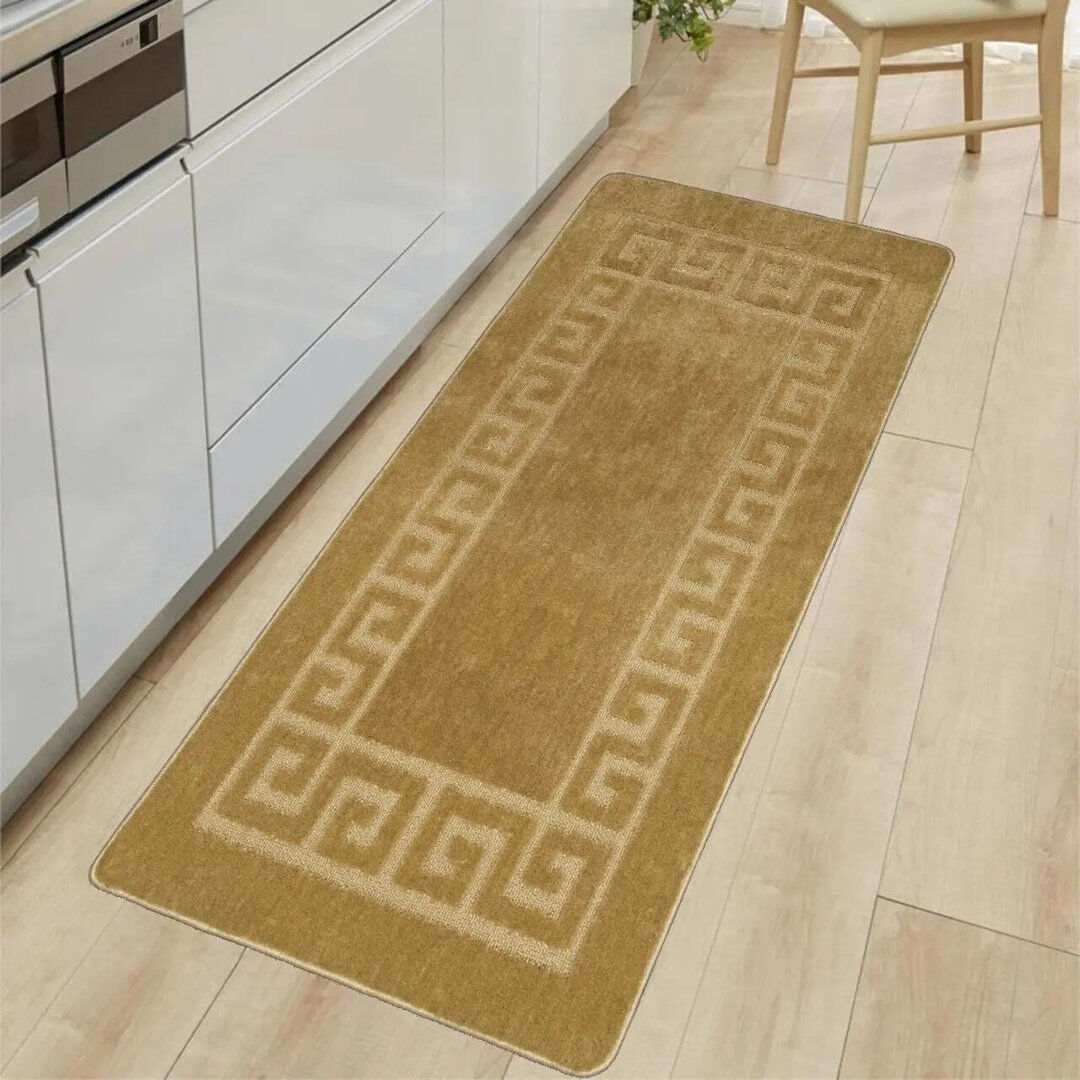
Quality & Style Geometric Area Rug Ochre Runner 80 x 300 cmUpgrade your home with this Modern Non-Slip Washable Runner Rug, designed to combine style, comfort, and everyday practicality. Whether you’re protecting floors, adding warmth to a hallway, or creating a welcoming path in your kitchen or entryway, this versatile runner delivers on performance and design. Quality & Style Colour: Ochre, Rug Size: Runner 80 x 300 cm84,99 £*Shipping: 0,00 £Secure redirect to the provider
-
Quality & Style Geometric Area Rug White Rectangle 80 x 150 cmUpgrade your home with this Modern Non-Slip Washable Runner Rug, designed to combine style, comfort, and everyday practicality. Whether you’re protecting floors, adding warmth to a hallway, or creating a welcoming path in your kitchen or entryway, this versatile runner delivers on performance and design. Quality & Style Rug Size: Rectangle 80 x 150 cm, Colour: White43,99 £*Shipping: 4,99 £Secure redirect to the provider
-
Can viruses transform an entire organism into another similar and permanently viable organism?
No, viruses cannot transform an entire organism into another similar and permanently viable organism. Viruses are not capable of causing such a drastic and complex transformation in an organism. While viruses can cause changes in the host organism's cells and genetic material, they do not have the ability to completely transform one organism into another. The concept of a virus causing such a transformation is more characteristic of science fiction rather than actual scientific understanding of virology. **
-
Is cress a living organism?
Yes, cress is a living organism. It is a type of plant that belongs to the mustard family and is commonly grown for its edible leaves. Like all plants, cress is a living organism that undergoes processes such as photosynthesis, respiration, and growth. It requires water, sunlight, and nutrients to survive and thrive. **
-
Is yeast a living organism?
Yes, yeast is a living organism. It is a type of fungus that belongs to the kingdom Fungi. Yeast cells are single-celled organisms that can reproduce asexually through budding. They are capable of metabolizing sugars and producing carbon dioxide and alcohol through the process of fermentation. Yeast is commonly used in baking and brewing due to its ability to ferment sugars and produce carbon dioxide, which causes dough to rise and gives beer and wine their alcoholic content. **
-
Is the blastocyst an organism?
Yes, the blastocyst is considered an organism. It is the stage of development of a fertilized egg before it implants into the uterus. At this stage, the blastocyst is a multicellular structure with specialized cells that will eventually develop into the fetus and placenta. Therefore, the blastocyst can be considered an early stage of an organism's development. **
* All prices are inclusive of VAT and, if applicable, plus shipping costs. The offer information is based on the details provided by the respective shop and is updated through automated processes. Real-time updates do not occur, so deviations can occur in individual cases. ** Note: Parts of this content were created by AI.