Buy swafea.eu ?
We are moving the project
swafea.eu .
Are you interested in purchasing the domain
swafea.eu ?
domain@kv-gmbh.de · 0541-91531010
Buy swafea.eu ?
What intermolecular forces exist?
Intermolecular forces are the forces of attraction and repulsion between molecules. The main types of intermolecular forces include London dispersion forces, dipole-dipole interactions, and hydrogen bonding. London dispersion forces are the weakest type of intermolecular force and occur between all molecules. Dipole-dipole interactions occur between polar molecules, where the positive end of one molecule is attracted to the negative end of another. Hydrogen bonding is a special type of dipole-dipole interaction that occurs when hydrogen is bonded to highly electronegative atoms like oxygen, nitrogen, or fluorine. **
What are intermolecular interactions?
Intermolecular interactions are the forces of attraction or repulsion between molecules. These interactions play a crucial role in determining the physical and chemical properties of substances. Examples of intermolecular interactions include hydrogen bonding, van der Waals forces, and dipole-dipole interactions. These forces can affect properties such as boiling and melting points, solubility, and viscosity. **


Similar search terms for Intermolecular
Top-Angebote
Products related to Intermolecular:
-
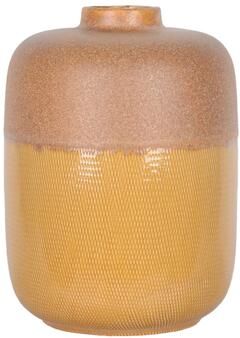
Sagebrook Home Ceramic Vase Trendy Tribeca Style with Floral Embossed DesignElegant floral relief design - Adds a sophisticated touch to any home or office decor. High-quality ceramic construction - Ensures durability and long-lasting beauty.61,31 $*Shipping: 0,00 $Secure redirect to the provider
-
Quality & Style Solid Colour Area Rug Beige Round 120 cmThis rug is the top-notch extra luxurious variety of rugs this rug has been designed to impart an exquisite look and rich soft feel the material of 100% polypropylene, these rugs are one of a kind when it comes to the selection of Normal pile luxurious rug length of the rug is stitched and width of the rug is folded and glued for durability. Quality & Style Rug Size: Round 120 cm91,99 £*Shipping: 0,00 £Secure redirect to the provider
-
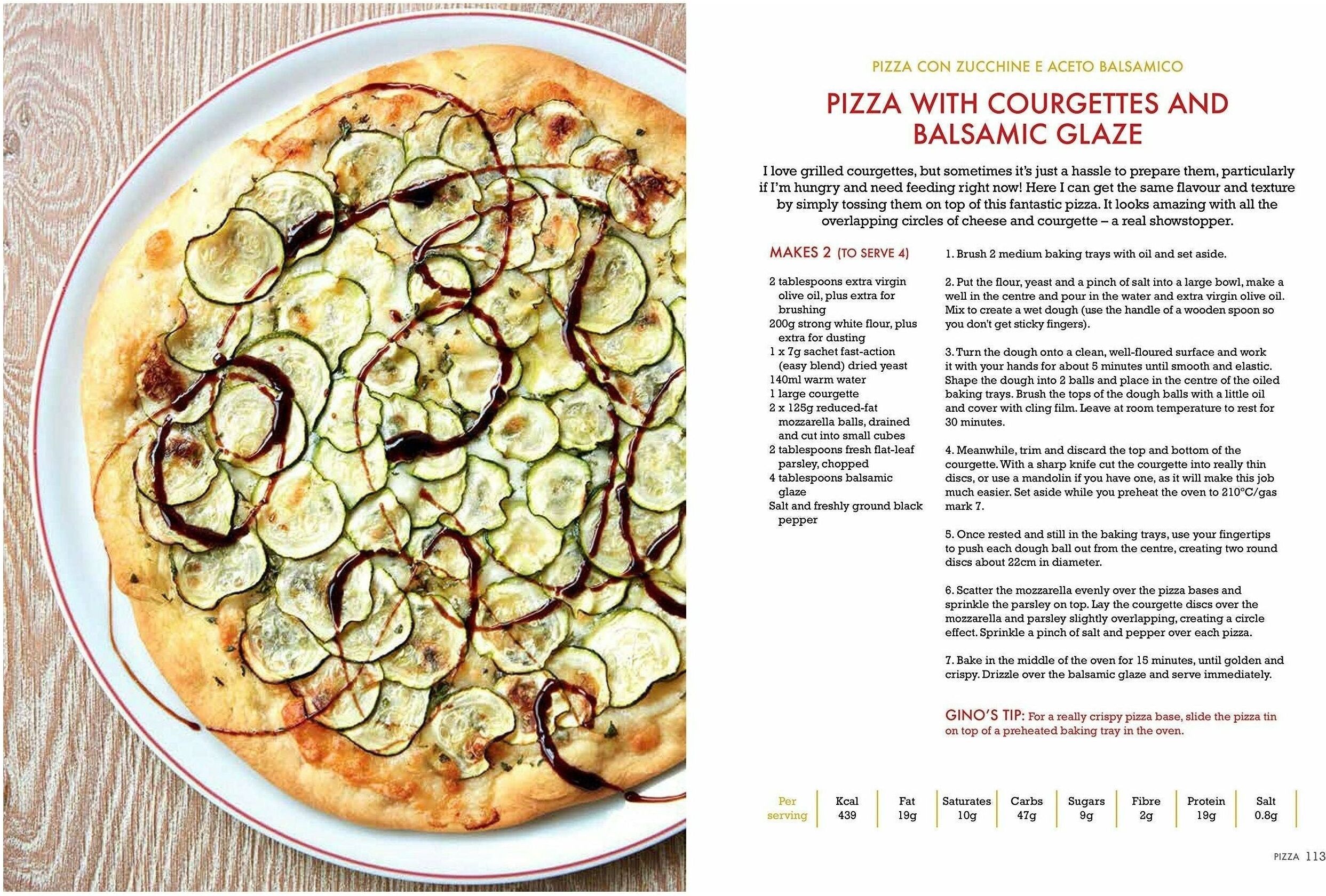
Hodder & Stoughton Gino’s Healthy Italian for Less by Gino D’Acampo – 100 Affordable Family RecipesWant to cook like a true Italian and stick to the budget? Look no further than these 100 authentic and simple meals from the heart of Italy. Gino will teach us how to cook like a true Italian, but this time on a budget! Full of money-saving tips and tricks, to create delicious, healthy Italian meals at home - brimming with fresh ingredients with the same big flavours, in his simple signature style. Learn how to shop smart and store food, make the most of your fridge / freezer, and fill your kitchen cupboards with fail-safe Italian basics. Bring down the cost of your weekly shop and start eating better than ever with Gino's Healthy Italian for Less.6,99 £*Shipping: 2,99 £Secure redirect to the provider
-
Quality & Style Geometric Area Rug Sage Rectangle 160 x 230 cmUpgrade your home with this Modern Non-Slip Washable Runner Rug, designed to combine style, comfort, and everyday practicality. Whether you’re protecting floors, adding warmth to a hallway, or creating a welcoming path in your kitchen or entryway, this versatile runner delivers on performance and design. Quality & Style Colour: Sage, Rug Size: Rectangle 160 x 230 cm134,99 £*Shipping: 0,00 £Secure redirect to the provider


-
What are intermolecular forces?
Intermolecular forces are the attractive forces that exist between molecules. These forces are responsible for holding molecules together in a liquid or solid state. There are several types of intermolecular forces, including hydrogen bonding, dipole-dipole interactions, and London dispersion forces. These forces play a crucial role in determining the physical properties of substances, such as their boiling and melting points, as well as their solubility and viscosity. **
-
How are intermolecular forces classified?
Intermolecular forces are classified into three main categories: dispersion forces, dipole-dipole forces, and hydrogen bonding. Dispersion forces are the weakest type of intermolecular force and are caused by temporary fluctuations in electron distribution within molecules. Dipole-dipole forces occur between polar molecules and are stronger than dispersion forces. Hydrogen bonding is the strongest type of intermolecular force and occurs when hydrogen is bonded to highly electronegative atoms like oxygen, nitrogen, or fluorine. **
-
What are strong intermolecular interactions?
Strong intermolecular interactions are attractive forces between molecules that are stronger than typical van der Waals forces. These interactions can include hydrogen bonding, dipole-dipole interactions, and ion-dipole interactions. Strong intermolecular interactions play a crucial role in determining the physical properties of substances such as boiling point, melting point, and solubility. They are important in various biological processes, such as protein folding and DNA replication. **
-
Which intermolecular interactions are possible?
Intermolecular interactions that are possible include hydrogen bonding, dipole-dipole interactions, and London dispersion forces. Hydrogen bonding occurs when a hydrogen atom is bonded to a highly electronegative atom such as oxygen, nitrogen, or fluorine. Dipole-dipole interactions occur between molecules with permanent dipoles, while London dispersion forces are the weakest intermolecular interactions and occur between all molecules due to temporary fluctuations in electron distribution. These interactions play a crucial role in determining the physical properties of substances such as boiling and melting points. **


Which intermolecular forces are the strongest?
The strongest intermolecular forces are hydrogen bonding, which occurs when a hydrogen atom is bonded to a highly electronegative atom such as oxygen, nitrogen, or fluorine. Hydrogen bonding is stronger than dipole-dipole interactions and London dispersion forces. This is because hydrogen bonding involves a particularly strong attraction between the partially positive hydrogen atom and the partially negative atom it is bonded to, leading to a higher energy of interaction compared to other intermolecular forces. **
What are intermolecular interactions in chemistry?
Intermolecular interactions are the forces of attraction or repulsion between molecules. These interactions play a crucial role in determining the physical properties of substances, such as boiling point, melting point, and solubility. The main types of intermolecular interactions include hydrogen bonding, dipole-dipole interactions, and van der Waals forces. These interactions are weaker than chemical bonds within a molecule, but they still significantly impact the behavior and properties of substances. **
Top-Angebote
Products related to Intermolecular:
-
Inspire Daily Merch Casual Women's T shirt Trendy Versatile Letter Print Summer Top For Street Style And Everyday Comfort black lEmbrace effortless style with our Casual Women's Tshirt, designed for the modern woman who values comfort and trendiness. Perfect for any casual outing, this top features a stylish letter print and the versatility to pair with almost anything in...49,97 $*Shipping: 0,00 $Secure redirect to the provider
-
Headline Storecupboard One Pound Meals by Miguel Barclay – 85 Easy & Affordable RecipesMiguel Barclay is back with his sixth book in the 'One Pound Meals' series and he's on a mission to save you even more money and time with this collection of storecupboard recipes.Miguel has already revolutionised the way that many of you cook at home - with his budget recipes, healthy ingredients and his ingenious time-saving tips. In STORECUPBOARD ONE POUND MEALS Miguel takes his stress-free, maximum flavour philosophy and teaches you how to get the most out of your every day cupboard essentials. Tins, cans, dried herbs and spices become the main 'hero ingredients', helping you plan affordable dinners each week.With over 80 of Miguel's favourite storecupboard dishes, you'll have plenty of recipes for the whole family to enjoy, or tasty leftovers to eat the next day or freeze for another time.Miguel's budget-friendly cooking will once again bring great taste to your kitchen.Minimum fuss, maximum flavour and all for £1 per person.6,95 £*Shipping: 2,99 £Secure redirect to the provider
-
Sagebrook Home Ceramic Vase Trendy Tribeca Style with Floral Embossed DesignElegant floral relief design - Adds a sophisticated touch to any home or office decor. High-quality ceramic construction - Ensures durability and long-lasting beauty.61,31 $*Shipping: 0,00 $Secure redirect to the provider
-
Quality & Style Solid Colour Area Rug Beige Round 120 cmThis rug is the top-notch extra luxurious variety of rugs this rug has been designed to impart an exquisite look and rich soft feel the material of 100% polypropylene, these rugs are one of a kind when it comes to the selection of Normal pile luxurious rug length of the rug is stitched and width of the rug is folded and glued for durability. Quality & Style Rug Size: Round 120 cm91,99 £*Shipping: 0,00 £Secure redirect to the provider
-
What intermolecular forces exist?
Intermolecular forces are the forces of attraction and repulsion between molecules. The main types of intermolecular forces include London dispersion forces, dipole-dipole interactions, and hydrogen bonding. London dispersion forces are the weakest type of intermolecular force and occur between all molecules. Dipole-dipole interactions occur between polar molecules, where the positive end of one molecule is attracted to the negative end of another. Hydrogen bonding is a special type of dipole-dipole interaction that occurs when hydrogen is bonded to highly electronegative atoms like oxygen, nitrogen, or fluorine. **
-
What are intermolecular interactions?
Intermolecular interactions are the forces of attraction or repulsion between molecules. These interactions play a crucial role in determining the physical and chemical properties of substances. Examples of intermolecular interactions include hydrogen bonding, van der Waals forces, and dipole-dipole interactions. These forces can affect properties such as boiling and melting points, solubility, and viscosity. **
-
What are intermolecular forces?
Intermolecular forces are the attractive forces that exist between molecules. These forces are responsible for holding molecules together in a liquid or solid state. There are several types of intermolecular forces, including hydrogen bonding, dipole-dipole interactions, and London dispersion forces. These forces play a crucial role in determining the physical properties of substances, such as their boiling and melting points, as well as their solubility and viscosity. **
-
How are intermolecular forces classified?
Intermolecular forces are classified into three main categories: dispersion forces, dipole-dipole forces, and hydrogen bonding. Dispersion forces are the weakest type of intermolecular force and are caused by temporary fluctuations in electron distribution within molecules. Dipole-dipole forces occur between polar molecules and are stronger than dispersion forces. Hydrogen bonding is the strongest type of intermolecular force and occurs when hydrogen is bonded to highly electronegative atoms like oxygen, nitrogen, or fluorine. **
Similar search terms for Intermolecular
-
Hodder & Stoughton Gino’s Healthy Italian for Less by Gino D’Acampo – 100 Affordable Family RecipesWant to cook like a true Italian and stick to the budget? Look no further than these 100 authentic and simple meals from the heart of Italy. Gino will teach us how to cook like a true Italian, but this time on a budget! Full of money-saving tips and tricks, to create delicious, healthy Italian meals at home - brimming with fresh ingredients with the same big flavours, in his simple signature style. Learn how to shop smart and store food, make the most of your fridge / freezer, and fill your kitchen cupboards with fail-safe Italian basics. Bring down the cost of your weekly shop and start eating better than ever with Gino's Healthy Italian for Less.6,99 £*Shipping: 2,99 £Secure redirect to the provider
-
Quality & Style Geometric Area Rug Sage Rectangle 160 x 230 cmUpgrade your home with this Modern Non-Slip Washable Runner Rug, designed to combine style, comfort, and everyday practicality. Whether you’re protecting floors, adding warmth to a hallway, or creating a welcoming path in your kitchen or entryway, this versatile runner delivers on performance and design. Quality & Style Colour: Sage, Rug Size: Rectangle 160 x 230 cm134,99 £*Shipping: 0,00 £Secure redirect to the provider
-
Quality & Style Geometric Area Rug Sage Rectangle 120 x 150 cmUpgrade your home with this Modern Non-Slip Washable Runner Rug, designed to combine style, comfort, and everyday practicality. Whether you’re protecting floors, adding warmth to a hallway, or creating a welcoming path in your kitchen or entryway, this versatile runner delivers on performance and design. Quality & Style Colour: Sage, Rug Size: Rectangle 120 x 150 cm71,99 £*Shipping: 0,00 £Secure redirect to the provider
-
Quality & Style Geometric Area Rug Ochre Runner 80 x 300 cmUpgrade your home with this Modern Non-Slip Washable Runner Rug, designed to combine style, comfort, and everyday practicality. Whether you’re protecting floors, adding warmth to a hallway, or creating a welcoming path in your kitchen or entryway, this versatile runner delivers on performance and design. Quality & Style Colour: Ochre, Rug Size: Runner 80 x 300 cm84,99 £*Shipping: 0,00 £Secure redirect to the provider
-
What are strong intermolecular interactions?
Strong intermolecular interactions are attractive forces between molecules that are stronger than typical van der Waals forces. These interactions can include hydrogen bonding, dipole-dipole interactions, and ion-dipole interactions. Strong intermolecular interactions play a crucial role in determining the physical properties of substances such as boiling point, melting point, and solubility. They are important in various biological processes, such as protein folding and DNA replication. **
-
Which intermolecular interactions are possible?
Intermolecular interactions that are possible include hydrogen bonding, dipole-dipole interactions, and London dispersion forces. Hydrogen bonding occurs when a hydrogen atom is bonded to a highly electronegative atom such as oxygen, nitrogen, or fluorine. Dipole-dipole interactions occur between molecules with permanent dipoles, while London dispersion forces are the weakest intermolecular interactions and occur between all molecules due to temporary fluctuations in electron distribution. These interactions play a crucial role in determining the physical properties of substances such as boiling and melting points. **
-
Which intermolecular forces are the strongest?
The strongest intermolecular forces are hydrogen bonding, which occurs when a hydrogen atom is bonded to a highly electronegative atom such as oxygen, nitrogen, or fluorine. Hydrogen bonding is stronger than dipole-dipole interactions and London dispersion forces. This is because hydrogen bonding involves a particularly strong attraction between the partially positive hydrogen atom and the partially negative atom it is bonded to, leading to a higher energy of interaction compared to other intermolecular forces. **
-
What are intermolecular interactions in chemistry?
Intermolecular interactions are the forces of attraction or repulsion between molecules. These interactions play a crucial role in determining the physical properties of substances, such as boiling point, melting point, and solubility. The main types of intermolecular interactions include hydrogen bonding, dipole-dipole interactions, and van der Waals forces. These interactions are weaker than chemical bonds within a molecule, but they still significantly impact the behavior and properties of substances. **
* All prices are inclusive of VAT and, if applicable, plus shipping costs. The offer information is based on the details provided by the respective shop and is updated through automated processes. Real-time updates do not occur, so deviations can occur in individual cases. ** Note: Parts of this content were created by AI.