Buy swafea.eu ?
We are moving the project
swafea.eu .
Are you interested in purchasing the domain
swafea.eu ?
domain@kv-gmbh.de · 0541-91531010
Buy swafea.eu ?
Why can cyanobacteria perform photosynthesis?
Cyanobacteria can perform photosynthesis because they contain chlorophyll, the pigment that allows them to capture light energy from the sun. This light energy is then used to convert carbon dioxide and water into glucose and oxygen, a process known as photosynthesis. Additionally, cyanobacteria have specialized structures called thylakoids where the photosynthetic reactions take place. These adaptations enable cyanobacteria to thrive in a variety of environments and play a crucial role in the Earth's ecosystems as primary producers. **
Are these cyanobacteria blue-green algae?
Yes, cyanobacteria are often referred to as blue-green algae due to their blue-green coloration. However, they are not actually algae but rather a type of bacteria that can perform photosynthesis like algae. Cyanobacteria are important primary producers in aquatic ecosystems and can form harmful algal blooms under certain conditions. **


Similar search terms for Cyanobacteria
Top-Angebote
Products related to Cyanobacteria:
-
Quality & Style Solid Colour Area Rug Beige Round 120 cmThis rug is the top-notch extra luxurious variety of rugs this rug has been designed to impart an exquisite look and rich soft feel the material of 100% polypropylene, these rugs are one of a kind when it comes to the selection of Normal pile luxurious rug length of the rug is stitched and width of the rug is folded and glued for durability. Quality & Style Rug Size: Round 120 cm91,99 £*Shipping: 0,00 £Secure redirect to the provider
-
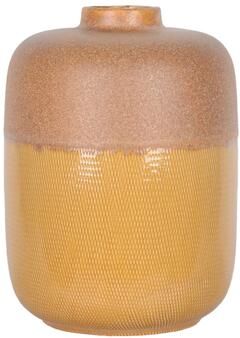
Sagebrook Home Ceramic Vase Trendy Tribeca Style with Floral Embossed DesignElegant floral relief design - Adds a sophisticated touch to any home or office decor. High-quality ceramic construction - Ensures durability and long-lasting beauty.61,31 $*Shipping: 0,00 $Secure redirect to the provider
-
Hodder & Stoughton Gino’s Healthy Italian for Less by Gino D’Acampo – 100 Affordable Family RecipesWant to cook like a true Italian and stick to the budget? Look no further than these 100 authentic and simple meals from the heart of Italy. Gino will teach us how to cook like a true Italian, but this time on a budget! Full of money-saving tips and tricks, to create delicious, healthy Italian meals at home - brimming with fresh ingredients with the same big flavours, in his simple signature style. Learn how to shop smart and store food, make the most of your fridge / freezer, and fill your kitchen cupboards with fail-safe Italian basics. Bring down the cost of your weekly shop and start eating better than ever with Gino's Healthy Italian for Less.6,99 £*Shipping: 2,99 £Secure redirect to the provider
-
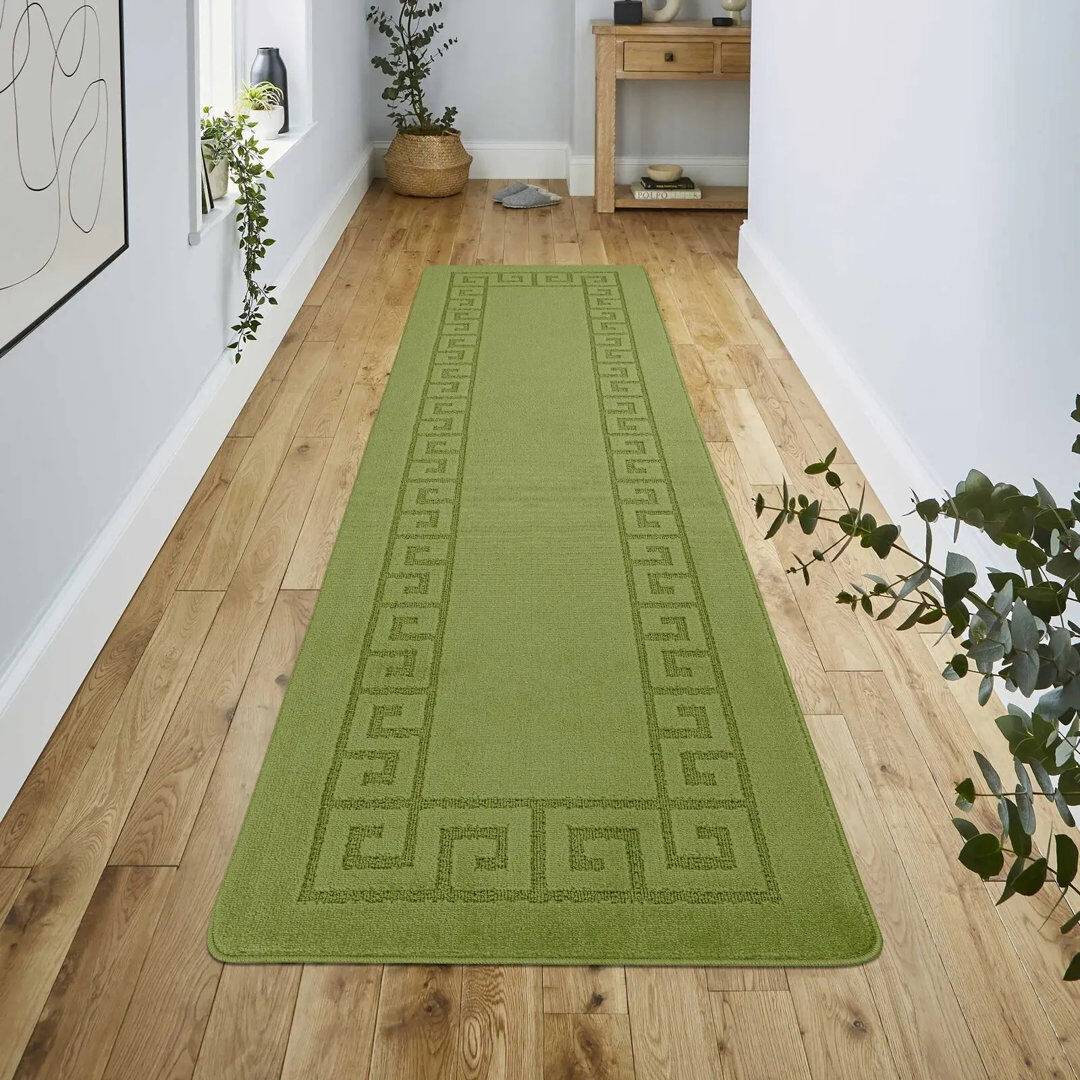
Quality & Style Geometric Area Rug Sage Rectangle 160 x 230 cmUpgrade your home with this Modern Non-Slip Washable Runner Rug, designed to combine style, comfort, and everyday practicality. Whether you’re protecting floors, adding warmth to a hallway, or creating a welcoming path in your kitchen or entryway, this versatile runner delivers on performance and design. Quality & Style Colour: Sage, Rug Size: Rectangle 160 x 230 cm134,99 £*Shipping: 0,00 £Secure redirect to the provider


-
Why can cyanobacteria live in low light areas?
Cyanobacteria can live in low light areas because they have adapted to be able to photosynthesize in low light conditions. They contain specialized pigments that allow them to capture and use light energy more efficiently, such as phycocyanin and phycoerythrin. Additionally, they have the ability to adjust their photosynthetic machinery to optimize light absorption in low light environments. This allows them to thrive in a variety of aquatic habitats, including those with limited light penetration. **
-
What is there to know about cyanobacteria in the aquarium?
Cyanobacteria, also known as blue-green algae, can be a common problem in aquariums. They thrive in environments with excess nutrients and low oxygen levels. Cyanobacteria can quickly cover surfaces in the aquarium, affecting the water quality and potentially harming fish and plants. To control cyanobacteria growth, it is important to address the root cause by reducing excess nutrients through proper aquarium maintenance, such as regular water changes and cleaning. Additionally, introducing algae-eating fish or invertebrates can help keep cyanobacteria under control. **
-
How do blue layers in the aquarium form due to cyanobacteria?
Blue layers in the aquarium form due to cyanobacteria because these bacteria contain pigments that give them a blue-green color. When cyanobacteria bloom in the aquarium, they can form dense layers on surfaces such as rocks, substrate, or plants. These layers can appear blue in color due to the concentration of cyanobacteria and their pigments. The presence of excess nutrients, low water flow, and poor water quality can contribute to the growth of cyanobacteria and the formation of blue layers in the aquarium. **
-
What did the evolution of cyanobacteria look like in the past?
Cyanobacteria, also known as blue-green algae, are one of the oldest forms of life on Earth. They played a crucial role in the evolution of the planet by producing oxygen through photosynthesis, which eventually led to the oxygenation of the atmosphere. Over time, cyanobacteria evolved and diversified into various species, adapting to different environments and contributing to the development of complex ecosystems. Their ability to thrive in diverse conditions has allowed them to persist and continue shaping the Earth's environment. **


What is the range of effects of cyanobacteria and green algae?
Cyanobacteria and green algae can have a wide range of effects on the environment. They are important producers of oxygen through photosynthesis and play a crucial role in the food web as a source of energy for other organisms. However, they can also have negative effects, such as producing harmful algal blooms that can release toxins into the water and harm aquatic life. Additionally, excessive growth of cyanobacteria and green algae can lead to eutrophication, which can deplete oxygen levels in the water and harm other organisms. Overall, their effects can be both beneficial and detrimental to the environment. **
How do blue layers form in the aquarium due to cyanobacteria?
Blue layers form in the aquarium due to cyanobacteria when the bacteria produce pigments called phycocyanin and allophycocyanin. These pigments give the cyanobacteria a blue-green color, which can create a blue layer on surfaces in the aquarium. The presence of excess nutrients, low water flow, and low oxygen levels can promote the growth of cyanobacteria, leading to the formation of these blue layers. Regular maintenance, such as water changes and cleaning, can help prevent the overgrowth of cyanobacteria and the formation of blue layers in the aquarium. **
Top-Angebote
Products related to Cyanobacteria:
-
COZY TRENDS COLLECTION Handwoven Chevron Cotton Throw Blanket - All-Season Comfort with Boho-Chic Style!Wrap yourself in the cozy charm of our handwoven chevron cotton throw blanket. Designed for all-season comfort and adorned with stylish tassels, this blanket adds a touch of bohemian flair to any space while keeping you snug and warm.33,99 $*Shipping: 0,00 $Secure redirect to the provider
-
Headline Storecupboard One Pound Meals by Miguel Barclay – 85 Easy & Affordable RecipesMiguel Barclay is back with his sixth book in the 'One Pound Meals' series and he's on a mission to save you even more money and time with this collection of storecupboard recipes.Miguel has already revolutionised the way that many of you cook at home - with his budget recipes, healthy ingredients and his ingenious time-saving tips. In STORECUPBOARD ONE POUND MEALS Miguel takes his stress-free, maximum flavour philosophy and teaches you how to get the most out of your every day cupboard essentials. Tins, cans, dried herbs and spices become the main 'hero ingredients', helping you plan affordable dinners each week.With over 80 of Miguel's favourite storecupboard dishes, you'll have plenty of recipes for the whole family to enjoy, or tasty leftovers to eat the next day or freeze for another time.Miguel's budget-friendly cooking will once again bring great taste to your kitchen.Minimum fuss, maximum flavour and all for £1 per person.6,95 £*Shipping: 2,99 £Secure redirect to the provider
-
Quality & Style Solid Colour Area Rug Beige Round 120 cmThis rug is the top-notch extra luxurious variety of rugs this rug has been designed to impart an exquisite look and rich soft feel the material of 100% polypropylene, these rugs are one of a kind when it comes to the selection of Normal pile luxurious rug length of the rug is stitched and width of the rug is folded and glued for durability. Quality & Style Rug Size: Round 120 cm91,99 £*Shipping: 0,00 £Secure redirect to the provider
-
Sagebrook Home Ceramic Vase Trendy Tribeca Style with Floral Embossed DesignElegant floral relief design - Adds a sophisticated touch to any home or office decor. High-quality ceramic construction - Ensures durability and long-lasting beauty.61,31 $*Shipping: 0,00 $Secure redirect to the provider
-
Why can cyanobacteria perform photosynthesis?
Cyanobacteria can perform photosynthesis because they contain chlorophyll, the pigment that allows them to capture light energy from the sun. This light energy is then used to convert carbon dioxide and water into glucose and oxygen, a process known as photosynthesis. Additionally, cyanobacteria have specialized structures called thylakoids where the photosynthetic reactions take place. These adaptations enable cyanobacteria to thrive in a variety of environments and play a crucial role in the Earth's ecosystems as primary producers. **
-
Are these cyanobacteria blue-green algae?
Yes, cyanobacteria are often referred to as blue-green algae due to their blue-green coloration. However, they are not actually algae but rather a type of bacteria that can perform photosynthesis like algae. Cyanobacteria are important primary producers in aquatic ecosystems and can form harmful algal blooms under certain conditions. **
-
Why can cyanobacteria live in low light areas?
Cyanobacteria can live in low light areas because they have adapted to be able to photosynthesize in low light conditions. They contain specialized pigments that allow them to capture and use light energy more efficiently, such as phycocyanin and phycoerythrin. Additionally, they have the ability to adjust their photosynthetic machinery to optimize light absorption in low light environments. This allows them to thrive in a variety of aquatic habitats, including those with limited light penetration. **
-
What is there to know about cyanobacteria in the aquarium?
Cyanobacteria, also known as blue-green algae, can be a common problem in aquariums. They thrive in environments with excess nutrients and low oxygen levels. Cyanobacteria can quickly cover surfaces in the aquarium, affecting the water quality and potentially harming fish and plants. To control cyanobacteria growth, it is important to address the root cause by reducing excess nutrients through proper aquarium maintenance, such as regular water changes and cleaning. Additionally, introducing algae-eating fish or invertebrates can help keep cyanobacteria under control. **
Similar search terms for Cyanobacteria
-
Hodder & Stoughton Gino’s Healthy Italian for Less by Gino D’Acampo – 100 Affordable Family RecipesWant to cook like a true Italian and stick to the budget? Look no further than these 100 authentic and simple meals from the heart of Italy. Gino will teach us how to cook like a true Italian, but this time on a budget! Full of money-saving tips and tricks, to create delicious, healthy Italian meals at home - brimming with fresh ingredients with the same big flavours, in his simple signature style. Learn how to shop smart and store food, make the most of your fridge / freezer, and fill your kitchen cupboards with fail-safe Italian basics. Bring down the cost of your weekly shop and start eating better than ever with Gino's Healthy Italian for Less.6,99 £*Shipping: 2,99 £Secure redirect to the provider
-
Quality & Style Geometric Area Rug Sage Rectangle 160 x 230 cmUpgrade your home with this Modern Non-Slip Washable Runner Rug, designed to combine style, comfort, and everyday practicality. Whether you’re protecting floors, adding warmth to a hallway, or creating a welcoming path in your kitchen or entryway, this versatile runner delivers on performance and design. Quality & Style Colour: Sage, Rug Size: Rectangle 160 x 230 cm134,99 £*Shipping: 0,00 £Secure redirect to the provider
-
Quality & Style Geometric Area Rug Sage Rectangle 120 x 150 cmUpgrade your home with this Modern Non-Slip Washable Runner Rug, designed to combine style, comfort, and everyday practicality. Whether you’re protecting floors, adding warmth to a hallway, or creating a welcoming path in your kitchen or entryway, this versatile runner delivers on performance and design. Quality & Style Colour: Sage, Rug Size: Rectangle 120 x 150 cm71,99 £*Shipping: 0,00 £Secure redirect to the provider
-
COZY TRENDS COLLECTION Handwoven Chevron Cotton Throw Blanket - All-Season Comfort with Boho-Chic Style!Wrap yourself in the cozy charm of our handwoven chevron cotton throw blanket. Designed for all-season comfort and adorned with stylish tassels, this blanket adds a touch of bohemian flair to any space while keeping you snug and warm.40,49 $*Shipping: 0,00 $Secure redirect to the provider
-
How do blue layers in the aquarium form due to cyanobacteria?
Blue layers in the aquarium form due to cyanobacteria because these bacteria contain pigments that give them a blue-green color. When cyanobacteria bloom in the aquarium, they can form dense layers on surfaces such as rocks, substrate, or plants. These layers can appear blue in color due to the concentration of cyanobacteria and their pigments. The presence of excess nutrients, low water flow, and poor water quality can contribute to the growth of cyanobacteria and the formation of blue layers in the aquarium. **
-
What did the evolution of cyanobacteria look like in the past?
Cyanobacteria, also known as blue-green algae, are one of the oldest forms of life on Earth. They played a crucial role in the evolution of the planet by producing oxygen through photosynthesis, which eventually led to the oxygenation of the atmosphere. Over time, cyanobacteria evolved and diversified into various species, adapting to different environments and contributing to the development of complex ecosystems. Their ability to thrive in diverse conditions has allowed them to persist and continue shaping the Earth's environment. **
-
What is the range of effects of cyanobacteria and green algae?
Cyanobacteria and green algae can have a wide range of effects on the environment. They are important producers of oxygen through photosynthesis and play a crucial role in the food web as a source of energy for other organisms. However, they can also have negative effects, such as producing harmful algal blooms that can release toxins into the water and harm aquatic life. Additionally, excessive growth of cyanobacteria and green algae can lead to eutrophication, which can deplete oxygen levels in the water and harm other organisms. Overall, their effects can be both beneficial and detrimental to the environment. **
-
How do blue layers form in the aquarium due to cyanobacteria?
Blue layers form in the aquarium due to cyanobacteria when the bacteria produce pigments called phycocyanin and allophycocyanin. These pigments give the cyanobacteria a blue-green color, which can create a blue layer on surfaces in the aquarium. The presence of excess nutrients, low water flow, and low oxygen levels can promote the growth of cyanobacteria, leading to the formation of these blue layers. Regular maintenance, such as water changes and cleaning, can help prevent the overgrowth of cyanobacteria and the formation of blue layers in the aquarium. **
* All prices are inclusive of VAT and, if applicable, plus shipping costs. The offer information is based on the details provided by the respective shop and is updated through automated processes. Real-time updates do not occur, so deviations can occur in individual cases. ** Note: Parts of this content were created by AI.