Buy swafea.eu ?
We are moving the project
swafea.eu .
Are you interested in purchasing the domain
swafea.eu ?
domain@kv-gmbh.de · 0541-91531010
Buy swafea.eu ?
How is avoir formed?
The verb "avoir" is formed in the present tense by conjugating the verb as follows: j'ai (I have), tu as (you have), il/elle/on a (he/she/it has), nous avons (we have), vous avez (you have), ils/elles ont (they have). In the past tense, "avoir" is formed by using the auxiliary verb "avoir" followed by the past participle of the main verb. For example, "j'ai eu" (I had), "tu as eu" (you had), "il/elle/on a eu" (he/she/it had), "nous avons eu" (we had), "vous avez eu" (you had), "ils/elles ont eu" (they had). **
When do you conjugate "avoir"?
The verb "avoir" is conjugated when talking about possession or to form compound tenses such as the passé composé. In these cases, "avoir" is conjugated according to the subject of the sentence. For example, "J'ai un chat" (I have a cat) or "Nous avons mangé" (We have eaten). **


Similar search terms for Avoir
Top-Angebote
Products related to Avoir:
-
Headline Storecupboard One Pound Meals by Miguel Barclay – 85 Easy & Affordable RecipesMiguel Barclay is back with his sixth book in the 'One Pound Meals' series and he's on a mission to save you even more money and time with this collection of storecupboard recipes.Miguel has already revolutionised the way that many of you cook at home - with his budget recipes, healthy ingredients and his ingenious time-saving tips. In STORECUPBOARD ONE POUND MEALS Miguel takes his stress-free, maximum flavour philosophy and teaches you how to get the most out of your every day cupboard essentials. Tins, cans, dried herbs and spices become the main 'hero ingredients', helping you plan affordable dinners each week.With over 80 of Miguel's favourite storecupboard dishes, you'll have plenty of recipes for the whole family to enjoy, or tasty leftovers to eat the next day or freeze for another time.Miguel's budget-friendly cooking will once again bring great taste to your kitchen.Minimum fuss, maximum flavour and all for £1 per person.6,95 £*Shipping: 2,99 £Secure redirect to the provider
-
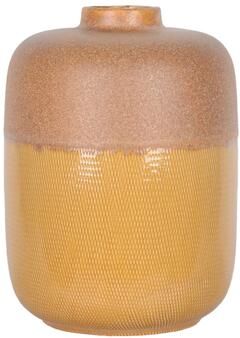
Sagebrook Home Ceramic Vase Trendy Tribeca Style with Floral Embossed DesignElegant floral relief design - Adds a sophisticated touch to any home or office decor. High-quality ceramic construction - Ensures durability and long-lasting beauty.72,99 $*Shipping: 0,00 $Secure redirect to the provider
-
Quality & Style Solid Colour Area Rug Beige Round 120 cmThis rug is the top-notch extra luxurious variety of rugs this rug has been designed to impart an exquisite look and rich soft feel the material of 100% polypropylene, these rugs are one of a kind when it comes to the selection of Normal pile luxurious rug length of the rug is stitched and width of the rug is folded and glued for durability. Quality & Style Rug Size: Round 120 cm91,99 £*Shipping: 0,00 £Secure redirect to the provider
-
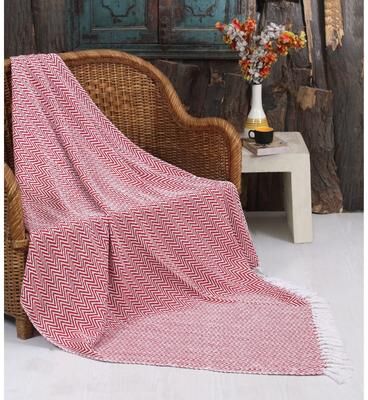
COZY TRENDS COLLECTION Handwoven Chevron Cotton Throw Blanket - All-Season Comfort with Boho-Chic Style!Wrap yourself in the cozy charm of our handwoven chevron cotton throw blanket. Designed for all-season comfort and adorned with stylish tassels, this blanket adds a touch of bohemian flair to any space while keeping you snug and warm.36,99 $*Shipping: 0,00 $Secure redirect to the provider



-
What are the forms of avoir?
The forms of the verb "avoir" in French are: j'ai (I have), tu as (you have), il/elle/on a (he/she/it has), nous avons (we have), vous avez (you have), ils/elles ont (they have). These forms are used to express possession or to form compound tenses such as the passé composé. "Avoir" is an irregular verb in French and is one of the most commonly used verbs in the language. **
-
Does "Passer" use "avoir" or "être"?
"Passer" uses the auxiliary verb "avoir" in compound tenses. For example, in the passé composé, you would say "j'ai passé" (I have passed) using the verb "avoir" as the auxiliary. **
-
Can you help me conjugate avoir?
Sure! The verb "avoir" is conjugated as follows: - J'ai (I have) - Tu as (You have) - Il/Elle/On a (He/She/One has) - Nous avons (We have) - Vous avez (You have) - Ils/Elles ont (They have) **
-
When are the following verbs used with "avoir"?
The following verbs are used with "avoir" when they are in the past tense. This includes actions that have been completed in the past, such as "j'ai mangé" (I ate), "tu as parlé" (you spoke), and "il a joué" (he played). These verbs indicate actions that have already happened and are no longer ongoing. **

When do you equate the PC with avoir?
I equate the PC with avoir when the verb in the passé composé is formed using the auxiliary verb "avoir" and the past participle of the main verb. This occurs when the action expressed by the main verb is performed by the subject of the sentence and does not involve a state of being or motion. For example, "J'ai mangé" (I ate) or "Elle a parlé" (She spoke) both use the auxiliary verb "avoir" to form the passé composé. **
When is the subjunctive used after avoir besoin de?
The subjunctive is used after "avoir besoin de" when the subject of the main clause is different from the subject of the dependent clause. This is because "avoir besoin de" expresses a need or desire, which can create a sense of doubt or uncertainty. For example, "J'ai besoin que tu viennes" (I need you to come) uses the subjunctive because the subject of the main clause (je) is different from the subject of the dependent clause (tu). **
Top-Angebote
Products related to Avoir:
-
COZY TRENDS COLLECTION Handwoven Chevron Cotton Throw Blanket - All-Season Comfort with Boho-Chic Style!Wrap yourself in the cozy charm of our handwoven chevron cotton throw blanket. Designed for all-season comfort and adorned with stylish tassels, this blanket adds a touch of bohemian flair to any space while keeping you snug and warm.33,99 $*Shipping: 0,00 $Secure redirect to the provider
-
Inspire Daily Merch Casual Women's T shirt Trendy Versatile Letter Print Summer Top For Street Style And Everyday Comfort black lEmbrace effortless style with our Casual Women's Tshirt, designed for the modern woman who values comfort and trendiness. Perfect for any casual outing, this top features a stylish letter print and the versatility to pair with almost anything in...49,97 $*Shipping: 0,00 $Secure redirect to the provider
-
Headline Storecupboard One Pound Meals by Miguel Barclay – 85 Easy & Affordable RecipesMiguel Barclay is back with his sixth book in the 'One Pound Meals' series and he's on a mission to save you even more money and time with this collection of storecupboard recipes.Miguel has already revolutionised the way that many of you cook at home - with his budget recipes, healthy ingredients and his ingenious time-saving tips. In STORECUPBOARD ONE POUND MEALS Miguel takes his stress-free, maximum flavour philosophy and teaches you how to get the most out of your every day cupboard essentials. Tins, cans, dried herbs and spices become the main 'hero ingredients', helping you plan affordable dinners each week.With over 80 of Miguel's favourite storecupboard dishes, you'll have plenty of recipes for the whole family to enjoy, or tasty leftovers to eat the next day or freeze for another time.Miguel's budget-friendly cooking will once again bring great taste to your kitchen.Minimum fuss, maximum flavour and all for £1 per person.6,95 £*Shipping: 2,99 £Secure redirect to the provider
-
Sagebrook Home Ceramic Vase Trendy Tribeca Style with Floral Embossed DesignElegant floral relief design - Adds a sophisticated touch to any home or office decor. High-quality ceramic construction - Ensures durability and long-lasting beauty.72,99 $*Shipping: 0,00 $Secure redirect to the provider
-
How is avoir formed?
The verb "avoir" is formed in the present tense by conjugating the verb as follows: j'ai (I have), tu as (you have), il/elle/on a (he/she/it has), nous avons (we have), vous avez (you have), ils/elles ont (they have). In the past tense, "avoir" is formed by using the auxiliary verb "avoir" followed by the past participle of the main verb. For example, "j'ai eu" (I had), "tu as eu" (you had), "il/elle/on a eu" (he/she/it had), "nous avons eu" (we had), "vous avez eu" (you had), "ils/elles ont eu" (they had). **
-
When do you conjugate "avoir"?
The verb "avoir" is conjugated when talking about possession or to form compound tenses such as the passé composé. In these cases, "avoir" is conjugated according to the subject of the sentence. For example, "J'ai un chat" (I have a cat) or "Nous avons mangé" (We have eaten). **
-
What are the forms of avoir?
The forms of the verb "avoir" in French are: j'ai (I have), tu as (you have), il/elle/on a (he/she/it has), nous avons (we have), vous avez (you have), ils/elles ont (they have). These forms are used to express possession or to form compound tenses such as the passé composé. "Avoir" is an irregular verb in French and is one of the most commonly used verbs in the language. **
-
Does "Passer" use "avoir" or "être"?
"Passer" uses the auxiliary verb "avoir" in compound tenses. For example, in the passé composé, you would say "j'ai passé" (I have passed) using the verb "avoir" as the auxiliary. **
Similar search terms for Avoir
-
Quality & Style Solid Colour Area Rug Beige Round 120 cmThis rug is the top-notch extra luxurious variety of rugs this rug has been designed to impart an exquisite look and rich soft feel the material of 100% polypropylene, these rugs are one of a kind when it comes to the selection of Normal pile luxurious rug length of the rug is stitched and width of the rug is folded and glued for durability. Quality & Style Rug Size: Round 120 cm91,99 £*Shipping: 0,00 £Secure redirect to the provider
-
COZY TRENDS COLLECTION Handwoven Chevron Cotton Throw Blanket - All-Season Comfort with Boho-Chic Style!Wrap yourself in the cozy charm of our handwoven chevron cotton throw blanket. Designed for all-season comfort and adorned with stylish tassels, this blanket adds a touch of bohemian flair to any space while keeping you snug and warm.36,99 $*Shipping: 0,00 $Secure redirect to the provider
-
COZY TRENDS COLLECTION Handwoven Chevron Cotton Throw Blanket - All-Season Comfort with Boho-Chic Style!Wrap yourself in the cozy charm of our handwoven chevron cotton throw blanket. Designed for all-season comfort and adorned with stylish tassels, this blanket adds a touch of bohemian flair to any space while keeping you snug and warm.40,49 $*Shipping: 0,00 $Secure redirect to the provider
-
Inspire Daily Merch Casual Women's T shirt Trendy Versatile Letter Print Summer Top For Street Style And Everyday Comfort white sEmbrace effortless style with our Casual Women's Tshirt, designed for the modern woman who values comfort and trendiness. Perfect for any casual outing, this top features a stylish letter print and the versatility to pair with almost anything in...49,97 $*Shipping: 0,00 $Secure redirect to the provider
-
Can you help me conjugate avoir?
Sure! The verb "avoir" is conjugated as follows: - J'ai (I have) - Tu as (You have) - Il/Elle/On a (He/She/One has) - Nous avons (We have) - Vous avez (You have) - Ils/Elles ont (They have) **
-
When are the following verbs used with "avoir"?
The following verbs are used with "avoir" when they are in the past tense. This includes actions that have been completed in the past, such as "j'ai mangé" (I ate), "tu as parlé" (you spoke), and "il a joué" (he played). These verbs indicate actions that have already happened and are no longer ongoing. **
-
When do you equate the PC with avoir?
I equate the PC with avoir when the verb in the passé composé is formed using the auxiliary verb "avoir" and the past participle of the main verb. This occurs when the action expressed by the main verb is performed by the subject of the sentence and does not involve a state of being or motion. For example, "J'ai mangé" (I ate) or "Elle a parlé" (She spoke) both use the auxiliary verb "avoir" to form the passé composé. **
-
When is the subjunctive used after avoir besoin de?
The subjunctive is used after "avoir besoin de" when the subject of the main clause is different from the subject of the dependent clause. This is because "avoir besoin de" expresses a need or desire, which can create a sense of doubt or uncertainty. For example, "J'ai besoin que tu viennes" (I need you to come) uses the subjunctive because the subject of the main clause (je) is different from the subject of the dependent clause (tu). **
* All prices are inclusive of VAT and, if applicable, plus shipping costs. The offer information is based on the details provided by the respective shop and is updated through automated processes. Real-time updates do not occur, so deviations can occur in individual cases. ** Note: Parts of this content were created by AI.