Buy swafea.eu ?
We are moving the project
swafea.eu .
Are you interested in purchasing the domain
swafea.eu ?
domain@kv-gmbh.de · 0541-91531010
Buy swafea.eu ?
Are wages liabilities?
Yes, wages are considered liabilities for a company because they represent an obligation to pay employees for their work. From an accounting perspective, wages are typically recorded as a liability on the company's balance sheet until they are paid to the employees. This reflects the company's obligation to fulfill its financial commitments to its employees. Therefore, wages are classified as a liability until they are settled. **
What are liabilities and receivables?
Liabilities are obligations or debts that a company owes to external parties, such as loans, accounts payable, or accrued expenses. They represent the company's financial responsibilities that must be settled in the future. Receivables, on the other hand, are amounts owed to a company by its customers or other parties for goods or services provided. They represent the company's right to receive payment and are considered assets on the company's balance sheet. Both liabilities and receivables are important components of a company's financial position and are crucial for assessing its overall financial health. **


Similar search terms for Liabilities
Top-Angebote
Products related to Liabilities:
-
Quality & Style Solid Colour Area Rug Beige Round 120 cmThis rug is the top-notch extra luxurious variety of rugs this rug has been designed to impart an exquisite look and rich soft feel the material of 100% polypropylene, these rugs are one of a kind when it comes to the selection of Normal pile luxurious rug length of the rug is stitched and width of the rug is folded and glued for durability. Quality & Style Rug Size: Round 120 cm91,99 £*Shipping: 0,00 £Secure redirect to the provider
-
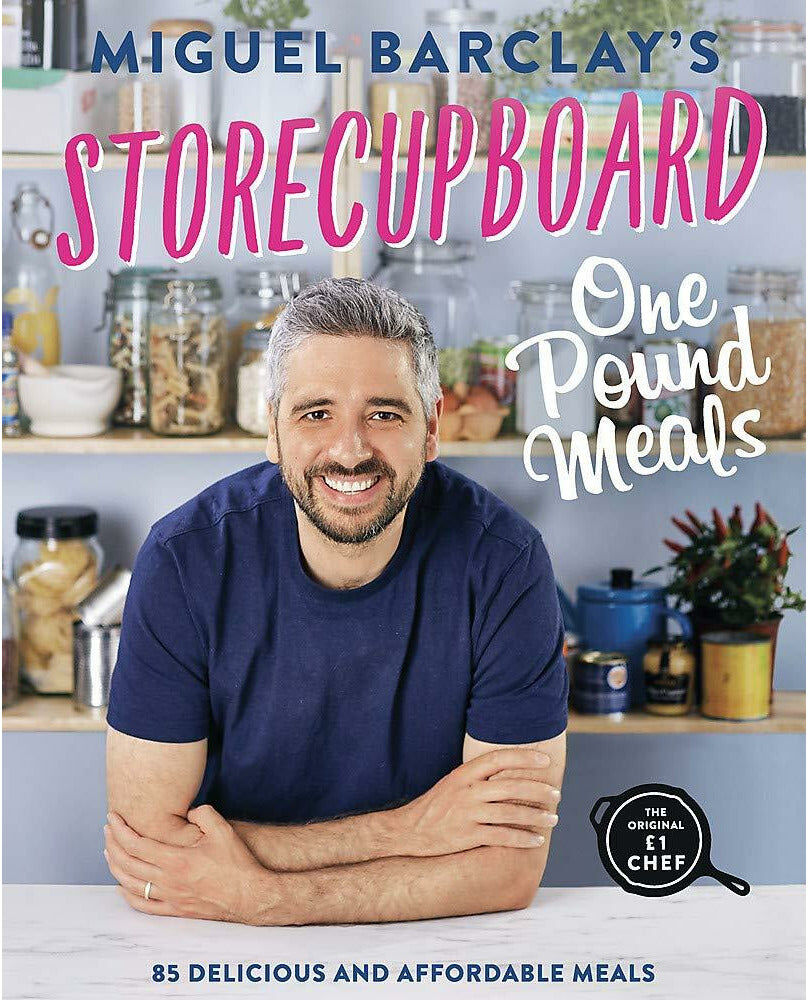
Headline Storecupboard One Pound Meals by Miguel Barclay – 85 Easy & Affordable RecipesMiguel Barclay is back with his sixth book in the 'One Pound Meals' series and he's on a mission to save you even more money and time with this collection of storecupboard recipes.Miguel has already revolutionised the way that many of you cook at home - with his budget recipes, healthy ingredients and his ingenious time-saving tips. In STORECUPBOARD ONE POUND MEALS Miguel takes his stress-free, maximum flavour philosophy and teaches you how to get the most out of your every day cupboard essentials. Tins, cans, dried herbs and spices become the main 'hero ingredients', helping you plan affordable dinners each week.With over 80 of Miguel's favourite storecupboard dishes, you'll have plenty of recipes for the whole family to enjoy, or tasty leftovers to eat the next day or freeze for another time.Miguel's budget-friendly cooking will once again bring great taste to your kitchen.Minimum fuss, maximum flavour and all for £1 per person.6,95 £*Shipping: 2,99 £Secure redirect to the provider
-
Quality & Style Geometric Area Rug Sage Rectangle 160 x 230 cmUpgrade your home with this Modern Non-Slip Washable Runner Rug, designed to combine style, comfort, and everyday practicality. Whether you’re protecting floors, adding warmth to a hallway, or creating a welcoming path in your kitchen or entryway, this versatile runner delivers on performance and design. Quality & Style Colour: Sage, Rug Size: Rectangle 160 x 230 cm134,99 £*Shipping: 0,00 £Secure redirect to the provider
-
Quality & Style Geometric Area Rug Sage Rectangle 120 x 150 cmUpgrade your home with this Modern Non-Slip Washable Runner Rug, designed to combine style, comfort, and everyday practicality. Whether you’re protecting floors, adding warmth to a hallway, or creating a welcoming path in your kitchen or entryway, this versatile runner delivers on performance and design. Quality & Style Colour: Sage, Rug Size: Rectangle 120 x 150 cm71,99 £*Shipping: 0,00 £Secure redirect to the provider



-
How are the assets and liabilities evaluated?
Assets and liabilities are evaluated based on their current market value or book value. For assets, this means determining their fair market value, which is the price that they could be sold for in the current market. Liabilities are evaluated based on their current outstanding balance or the amount that is owed. This evaluation helps to determine the financial health and position of a company, as well as its ability to meet its financial obligations. **
-
What are transitory assets and/or liabilities?
Transitory assets and/or liabilities are items on a company's balance sheet that are expected to be settled or used up within a relatively short period of time, typically within one year. These items are considered to be temporary in nature and are not expected to have a long-term impact on the company's financial position. Examples of transitory assets include cash, accounts receivable, and inventory, while examples of transitory liabilities include accounts payable and short-term debt. It is important for investors and analysts to understand the nature of these transitory items when evaluating a company's financial health and performance. **
-
Why is equity on the liabilities side?
Equity is placed on the liabilities side of the balance sheet because it represents the claims of the company's owners or shareholders on the company's assets. It is considered a liability because the company has an obligation to its owners to repay their investment in the business. However, unlike other liabilities, equity does not have a fixed repayment schedule and is considered a residual claim, meaning it is only paid out after all other liabilities have been settled. Therefore, equity is categorized as a liability on the balance sheet to accurately reflect the financial obligations of the company. **
-
How can accounting, liabilities, and receivables be interconnected?
Accounting, liabilities, and receivables are interconnected in the sense that they all play a role in a company's financial health. Liabilities are debts or obligations that a company owes, which are recorded on the balance sheet as part of the accounting process. Receivables, on the other hand, represent money owed to the company by its customers or clients, and are also recorded on the balance sheet as assets. The relationship between these two is that receivables can eventually become liabilities if they are not collected in a timely manner, which can impact the company's financial position. Therefore, proper accounting practices are essential to accurately track and manage both liabilities and receivables to ensure the company's financial stability. **

What is a statement of assets and liabilities?
A statement of assets and liabilities is a financial document that provides a snapshot of an individual's or organization's financial position at a specific point in time. It lists all the assets, such as cash, investments, property, and equipment, as well as all the liabilities, such as loans, mortgages, and other debts. The statement helps to assess the overall financial health and solvency of the entity by comparing the total assets to the total liabilities. It is an essential tool for financial planning, decision-making, and assessing the ability to meet financial obligations. **
How can liabilities be settled in other ways?
Liabilities can be settled in other ways through various means such as debt restructuring, where the terms of the debt are renegotiated to make it more manageable for the debtor. Another way is through debt-for-equity swaps, where the creditor agrees to convert the debt into an ownership stake in the debtor's company. Additionally, liabilities can be settled through the sale of assets, where the debtor sells off assets to generate cash to pay off the liabilities. Finally, some liabilities can be settled through the issuance of new debt to replace the existing liabilities, known as refinancing. **
Top-Angebote
Products related to Liabilities:
-
COZY TRENDS COLLECTION Handwoven Chevron Cotton Throw Blanket - All-Season Comfort with Boho-Chic Style!Wrap yourself in the cozy charm of our handwoven chevron cotton throw blanket. Designed for all-season comfort and adorned with stylish tassels, this blanket adds a touch of bohemian flair to any space while keeping you snug and warm.33,99 $*Shipping: 0,00 $Secure redirect to the provider
-
Sagebrook Home Ceramic Vase Trendy Tribeca Style with Floral Embossed DesignElegant floral relief design - Adds a sophisticated touch to any home or office decor. High-quality ceramic construction - Ensures durability and long-lasting beauty.61,31 $*Shipping: 0,00 $Secure redirect to the provider
-
Quality & Style Solid Colour Area Rug Beige Round 120 cmThis rug is the top-notch extra luxurious variety of rugs this rug has been designed to impart an exquisite look and rich soft feel the material of 100% polypropylene, these rugs are one of a kind when it comes to the selection of Normal pile luxurious rug length of the rug is stitched and width of the rug is folded and glued for durability. Quality & Style Rug Size: Round 120 cm91,99 £*Shipping: 0,00 £Secure redirect to the provider
-
Headline Storecupboard One Pound Meals by Miguel Barclay – 85 Easy & Affordable RecipesMiguel Barclay is back with his sixth book in the 'One Pound Meals' series and he's on a mission to save you even more money and time with this collection of storecupboard recipes.Miguel has already revolutionised the way that many of you cook at home - with his budget recipes, healthy ingredients and his ingenious time-saving tips. In STORECUPBOARD ONE POUND MEALS Miguel takes his stress-free, maximum flavour philosophy and teaches you how to get the most out of your every day cupboard essentials. Tins, cans, dried herbs and spices become the main 'hero ingredients', helping you plan affordable dinners each week.With over 80 of Miguel's favourite storecupboard dishes, you'll have plenty of recipes for the whole family to enjoy, or tasty leftovers to eat the next day or freeze for another time.Miguel's budget-friendly cooking will once again bring great taste to your kitchen.Minimum fuss, maximum flavour and all for £1 per person.6,95 £*Shipping: 2,99 £Secure redirect to the provider
-
Are wages liabilities?
Yes, wages are considered liabilities for a company because they represent an obligation to pay employees for their work. From an accounting perspective, wages are typically recorded as a liability on the company's balance sheet until they are paid to the employees. This reflects the company's obligation to fulfill its financial commitments to its employees. Therefore, wages are classified as a liability until they are settled. **
-
What are liabilities and receivables?
Liabilities are obligations or debts that a company owes to external parties, such as loans, accounts payable, or accrued expenses. They represent the company's financial responsibilities that must be settled in the future. Receivables, on the other hand, are amounts owed to a company by its customers or other parties for goods or services provided. They represent the company's right to receive payment and are considered assets on the company's balance sheet. Both liabilities and receivables are important components of a company's financial position and are crucial for assessing its overall financial health. **
-
How are the assets and liabilities evaluated?
Assets and liabilities are evaluated based on their current market value or book value. For assets, this means determining their fair market value, which is the price that they could be sold for in the current market. Liabilities are evaluated based on their current outstanding balance or the amount that is owed. This evaluation helps to determine the financial health and position of a company, as well as its ability to meet its financial obligations. **
-
What are transitory assets and/or liabilities?
Transitory assets and/or liabilities are items on a company's balance sheet that are expected to be settled or used up within a relatively short period of time, typically within one year. These items are considered to be temporary in nature and are not expected to have a long-term impact on the company's financial position. Examples of transitory assets include cash, accounts receivable, and inventory, while examples of transitory liabilities include accounts payable and short-term debt. It is important for investors and analysts to understand the nature of these transitory items when evaluating a company's financial health and performance. **
Similar search terms for Liabilities
-
Quality & Style Geometric Area Rug Sage Rectangle 160 x 230 cmUpgrade your home with this Modern Non-Slip Washable Runner Rug, designed to combine style, comfort, and everyday practicality. Whether you’re protecting floors, adding warmth to a hallway, or creating a welcoming path in your kitchen or entryway, this versatile runner delivers on performance and design. Quality & Style Colour: Sage, Rug Size: Rectangle 160 x 230 cm134,99 £*Shipping: 0,00 £Secure redirect to the provider
-
Quality & Style Geometric Area Rug Sage Rectangle 120 x 150 cmUpgrade your home with this Modern Non-Slip Washable Runner Rug, designed to combine style, comfort, and everyday practicality. Whether you’re protecting floors, adding warmth to a hallway, or creating a welcoming path in your kitchen or entryway, this versatile runner delivers on performance and design. Quality & Style Colour: Sage, Rug Size: Rectangle 120 x 150 cm71,99 £*Shipping: 0,00 £Secure redirect to the provider
-
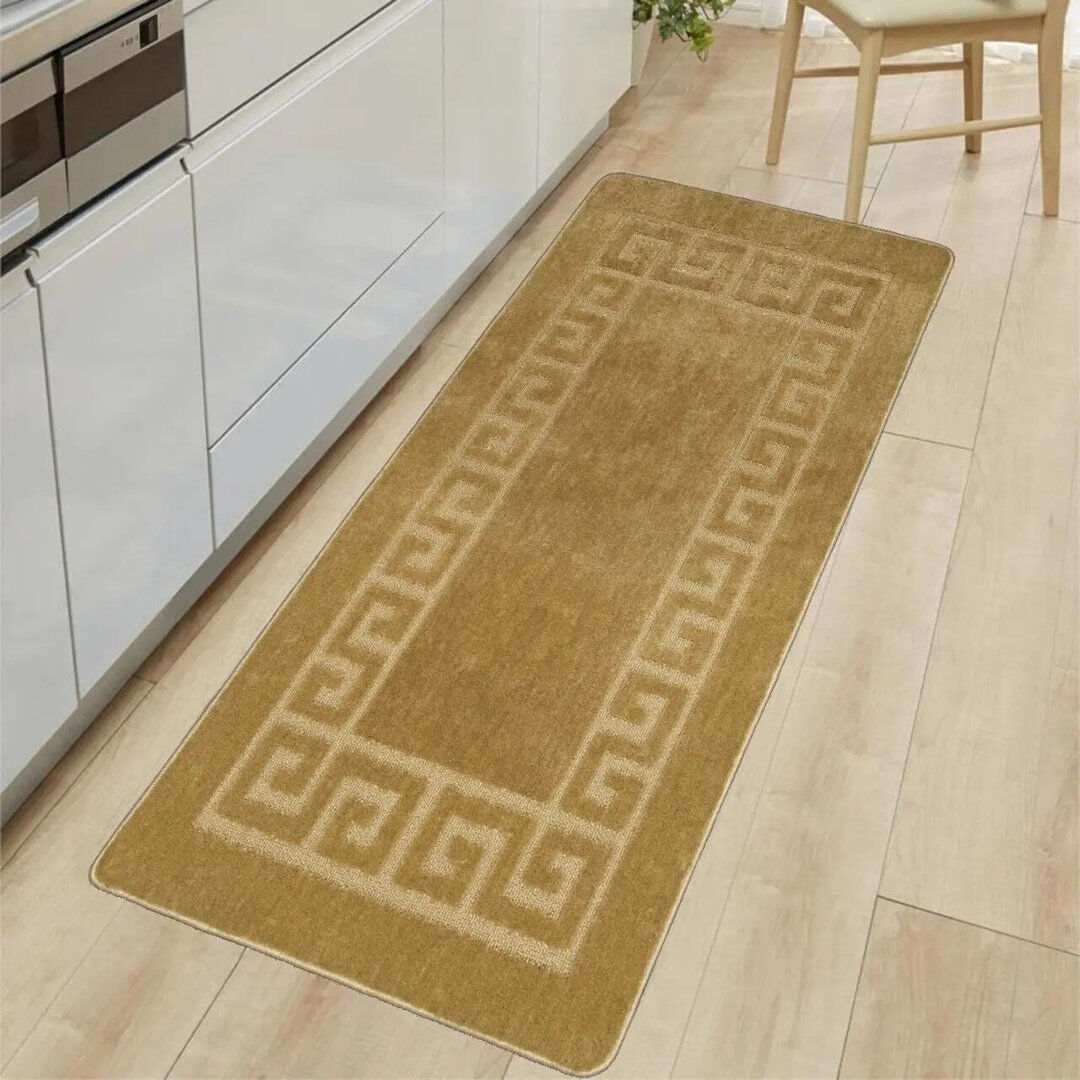
Quality & Style Geometric Area Rug Ochre Runner 80 x 300 cmUpgrade your home with this Modern Non-Slip Washable Runner Rug, designed to combine style, comfort, and everyday practicality. Whether you’re protecting floors, adding warmth to a hallway, or creating a welcoming path in your kitchen or entryway, this versatile runner delivers on performance and design. Quality & Style Colour: Ochre, Rug Size: Runner 80 x 300 cm84,99 £*Shipping: 0,00 £Secure redirect to the provider
-
COZY TRENDS COLLECTION Handwoven Chevron Cotton Throw Blanket - All-Season Comfort with Boho-Chic Style!Wrap yourself in the cozy charm of our handwoven chevron cotton throw blanket. Designed for all-season comfort and adorned with stylish tassels, this blanket adds a touch of bohemian flair to any space while keeping you snug and warm.40,49 $*Shipping: 0,00 $Secure redirect to the provider
-
Why is equity on the liabilities side?
Equity is placed on the liabilities side of the balance sheet because it represents the claims of the company's owners or shareholders on the company's assets. It is considered a liability because the company has an obligation to its owners to repay their investment in the business. However, unlike other liabilities, equity does not have a fixed repayment schedule and is considered a residual claim, meaning it is only paid out after all other liabilities have been settled. Therefore, equity is categorized as a liability on the balance sheet to accurately reflect the financial obligations of the company. **
-
How can accounting, liabilities, and receivables be interconnected?
Accounting, liabilities, and receivables are interconnected in the sense that they all play a role in a company's financial health. Liabilities are debts or obligations that a company owes, which are recorded on the balance sheet as part of the accounting process. Receivables, on the other hand, represent money owed to the company by its customers or clients, and are also recorded on the balance sheet as assets. The relationship between these two is that receivables can eventually become liabilities if they are not collected in a timely manner, which can impact the company's financial position. Therefore, proper accounting practices are essential to accurately track and manage both liabilities and receivables to ensure the company's financial stability. **
-
What is a statement of assets and liabilities?
A statement of assets and liabilities is a financial document that provides a snapshot of an individual's or organization's financial position at a specific point in time. It lists all the assets, such as cash, investments, property, and equipment, as well as all the liabilities, such as loans, mortgages, and other debts. The statement helps to assess the overall financial health and solvency of the entity by comparing the total assets to the total liabilities. It is an essential tool for financial planning, decision-making, and assessing the ability to meet financial obligations. **
-
How can liabilities be settled in other ways?
Liabilities can be settled in other ways through various means such as debt restructuring, where the terms of the debt are renegotiated to make it more manageable for the debtor. Another way is through debt-for-equity swaps, where the creditor agrees to convert the debt into an ownership stake in the debtor's company. Additionally, liabilities can be settled through the sale of assets, where the debtor sells off assets to generate cash to pay off the liabilities. Finally, some liabilities can be settled through the issuance of new debt to replace the existing liabilities, known as refinancing. **
* All prices are inclusive of VAT and, if applicable, plus shipping costs. The offer information is based on the details provided by the respective shop and is updated through automated processes. Real-time updates do not occur, so deviations can occur in individual cases. ** Note: Parts of this content were created by AI.